






What's Happening?
A national research study conducted by the Association for Rural & Small Libraries (ARSL), funded by the Institute of Museum and Library Services (IMLS), has found that approximately 40% of U.S. public libraries are run by solo librarians. These 'solo'
libraries are defined as having three or fewer full-time employees covering all open hours. This research is the first of its kind to formally survey and identify the unmet professional development needs within this significant segment of the national public library workforce. The IMLS conducts an annual survey of public libraries across the 50 states, the District of Columbia, and outlying territories. In 2024, data was collected from approximately 9,200 public libraries. The IMLS defines a library as small and/or rural if it serves a legal population of 25,000 or fewer, and/or is located 10 or more miles from an urbanized area. Based on this definition, nearly 7,600, or 83%, of the nation's public libraries are considered small and/or rural, serving over 84 million community members.
Why It's Important?
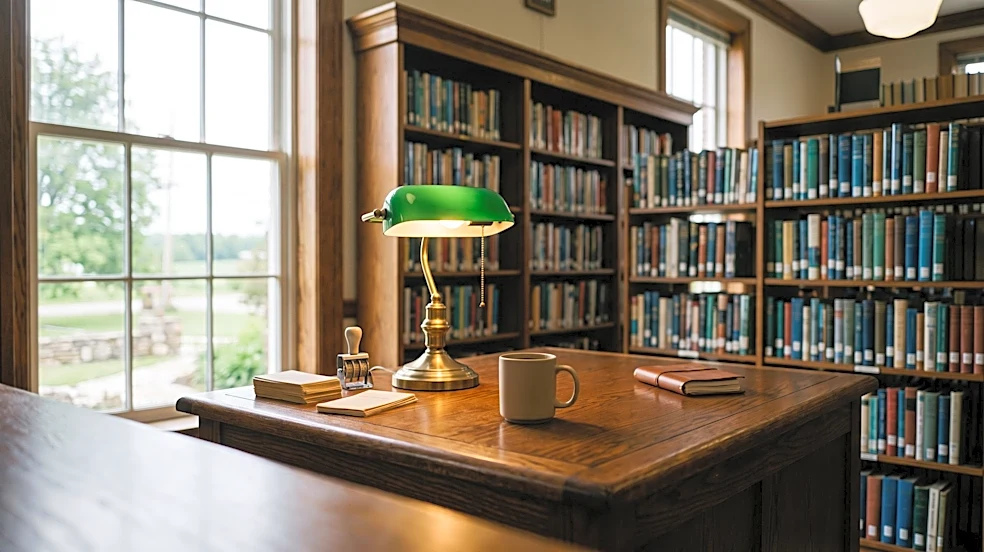
This finding is crucial because it highlights the substantial number of public libraries operating with extremely limited staff, often in small and rural areas. Solo librarians are responsible for every aspect of running a library, from programming and materials circulation to reference services and technical assistance, as noted by the Roseville Public Library's description of library functions. The ARSL emphasizes that these professionals often have limited resources for their own educational growth, which can impact the quality and breadth of services they can offer to their communities. The research aims to bring recognition and support to these key community hubs, which have largely been working 'under the radar,' according to Kate Laughlin, Executive Director of ARSL. Addressing the professional development needs of solo librarians is vital for ensuring that these libraries can continue to provide essential services and adapt to evolving community demands.
What's Next?
The ARSL plans to use the findings from this research to guide its efforts in effectively addressing the true obstacles to education faced by solo library professionals. The goal is to enable these librarians to continue their professional development, thereby ensuring the best possible service to their communities. This project, made possible in part by the Institute of Museum and Library Services, is expected to lead to targeted initiatives and support systems for solo librarians. Potential reactions from stakeholders could include increased funding allocations for professional development programs, specialized training opportunities tailored to the unique challenges of solo librarianship, and advocacy efforts to raise awareness about the critical role these libraries play in their communities. The research may also influence policy decisions regarding resource distribution and support for small and rural libraries.
Beyond the Headlines
The prevalence of solo librarians in U.S. public libraries underscores a broader issue of resource allocation and support for essential community services in rural and underserved areas. These libraries often serve as vital information and cultural centers, providing access to books, digital resources, and community programs, as exemplified by the Roseville Public Library's offerings. The ethical implication is ensuring equitable access to information and educational opportunities, regardless of geographic location or community size. The long-term shift could involve a re-evaluation of how public library systems are structured and funded, potentially leading to more collaborative models or increased federal and state support for smaller institutions. The cultural dimension highlights the dedication of these solo librarians who, despite limited resources, strive to meet the diverse needs of their patrons, from circulating materials to offering internet access and reference services.