

What's Happening?
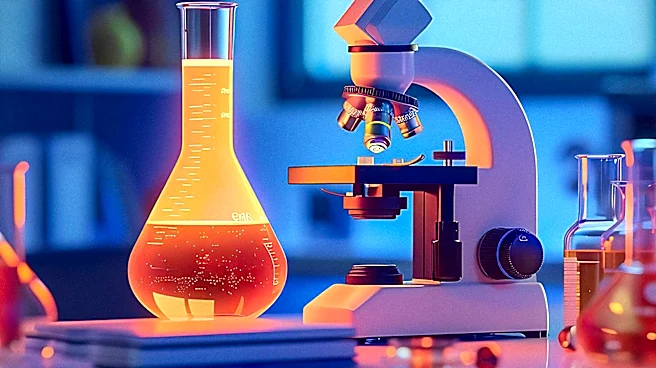
A study conducted in the Galápagos archipelago has revealed that wastewater-contaminated marine sites have high densities of antimicrobial resistance genes and drug-resistant bacteria. The research, utilizing a mobile microbiology laboratory, highlights
the role of human wastewater in promoting the emergence of multidrug-resistant bacteria in the marine ecosystem. The study identified high-risk E. coli lineages with resistance genes primarily located on plasmids, raising concerns about potential risks to human, animal, and ecosystem health.
Why It's Important?
The findings underscore the global challenge of antimicrobial resistance (AMR), particularly in regions with limited resources for surveillance and infrastructure. The presence of multidrug-resistant bacteria in the Galápagos poses a threat to biodiversity and public health, highlighting the need for improved wastewater management and environmental monitoring. The study demonstrates the effectiveness of mobile laboratory technologies in conducting field-based genomic analysis, which could be crucial for addressing AMR in remote and resource-constrained settings.
What's Next?
The study calls for enhanced surveillance and management strategies to mitigate the impact of wastewater contamination on marine ecosystems. Further research is needed to understand the full extent of AMR dissemination in the environment and to develop effective interventions. The deployment of portable laboratories for real-time detection of AMR genes could play a vital role in future environmental monitoring efforts.