







What's Happening?
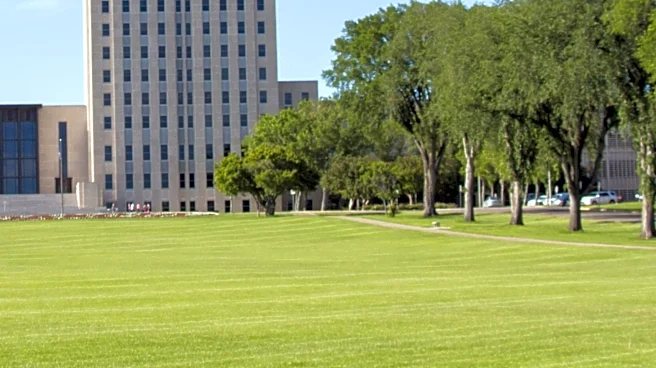
South Dakota lawmakers are considering a budget increase for the Legislative Research Council to cover an anticipated rise in their salaries. Interim Director Jeff Mehlhaff requested a $29,479 addition to the council's fiscal year 2027 budget and a $96,872
increase for fiscal year 2028. This adjustment is primarily due to a state law that ties legislator salaries to 20% of the South Dakota median household income, as reported by the U.S. Census Bureau. Mehlhaff indicated that salaries could increase from $15,970 to $16,608 for the legislative session beginning in January, representing a 4% increase. Additionally, the per diem, which covers daily living expenses during sessions and committee meetings, is expected to rise from $161.95 to $178, based on federal rates. Legislators also receive mileage reimbursement at 70 cents per mile.
Why It's Important?
This potential salary increase for South Dakota lawmakers is significant as it directly impacts the state's budget and public perception of legislative compensation. Tying salaries to the median household income ensures that legislative pay remains somewhat aligned with the economic realities of the state's residents, but any increase can draw scrutiny. The per diem and mileage reimbursements further add to the total compensation, which is crucial for lawmakers who often travel from various parts of the state to the capital for legislative duties. This adjustment aims to ensure that the compensation is adequate to attract and retain qualified individuals for public service, despite the part-time nature of the legislative role.
What's Next?
The proposed budget increases for the Legislative Research Council, which include the anticipated lawmaker salary adjustments, will undergo further review and approval processes within the state government. The U.S. Census Bureau's report on South Dakota's median household income, expected in September, will finalize the exact salary figure for the upcoming legislative session. Once approved, the new salary and per diem rates will take effect for the legislative session beginning in January. This will likely lead to public discussions regarding the appropriateness of legislative compensation and the financial implications for the state budget.
Beyond the Headlines
The discussion around lawmaker salaries in South Dakota touches upon broader issues of public service, compensation, and the financial accessibility of political office. While the increase is tied to a statutory formula, it highlights the ongoing debate about how to fairly compensate elected officials without creating a perception of excessive spending. For a state with a relatively small population and a part-time legislature, the balance between attracting diverse candidates and managing public funds is delicate. This situation also underscores the importance of transparent budgeting and the mechanisms by which public officials' compensation is determined, influencing public trust and engagement in the political process.