
What's Happening?
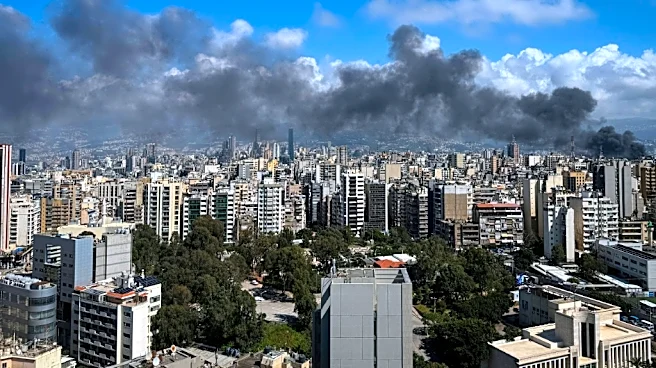
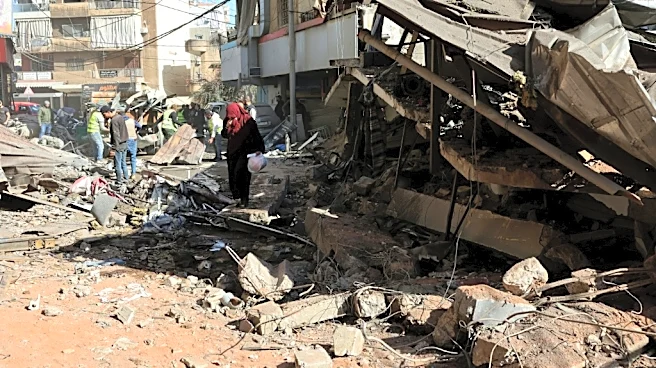
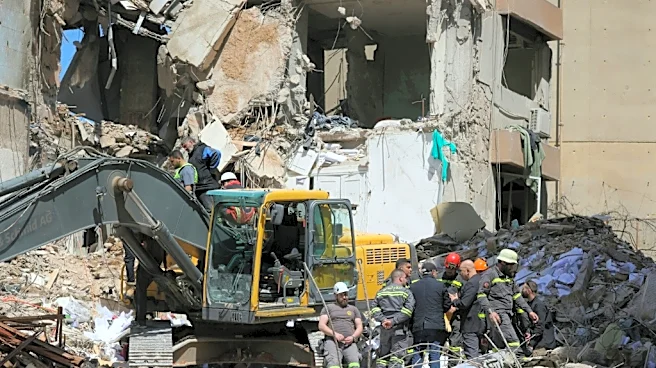
A ceasefire between Israel and Iran was announced on April 7 and took effect on April 8, following intense military engagements. The conflict saw significant casualties, including the death of Ayatollah
Ali Khamenei in an Israeli airstrike, and retaliatory attacks by Iran across the Middle East. The ceasefire aims to halt further escalation and provide a platform for diplomatic negotiations. Despite the ceasefire, tensions remain high, with ongoing military operations and strategic maneuvers by both sides. The Israeli Defense Forces (IDF) continue operations in southern Lebanon, while Iran has issued warnings regarding the Strait of Hormuz. The situation remains fluid, with both sides preparing for potential further hostilities.
Why It's Important?
The ceasefire is crucial for preventing further loss of life and stabilizing the region. The conflict has already resulted in significant casualties and economic disruptions. The ceasefire provides an opportunity for diplomatic engagement, which could lead to a more sustainable resolution. The involvement of major powers like the U.S. underscores the conflict's global significance, particularly concerning energy security and geopolitical stability. The Strait of Hormuz, a critical chokepoint for global oil supply, remains a focal point of tension, with potential implications for global oil prices and economic stability. The ceasefire's success could influence future diplomatic efforts and military strategies in the region.
What's Next?
The ceasefire's durability will depend on the outcomes of ongoing negotiations and the willingness of both sides to compromise. The international community, including the U.S., will play a crucial role in facilitating dialogue and ensuring compliance with ceasefire terms. Further military engagements could occur if talks break down, leading to renewed hostilities. The situation requires careful monitoring, as any escalation could have widespread implications for regional and global security. The focus will be on maintaining open communication channels and addressing underlying issues to prevent a resurgence of conflict.