

What's Happening?
Bill Maher, host of Real Time With Bill Maher, criticized President Trump for his recent actions regarding climate change regulations. On a recent episode, Maher addressed Trump's decision to rescind a 2009 Environmental Protection Agency (EPA) declaration
that identified carbon dioxide and other greenhouse gases as a threat to public health. This move effectively removes greenhouse gas emissions standards for vehicles and could lead to further deregulation of climate policies affecting power plants and oil and gas facilities. Maher highlighted Trump's longstanding skepticism of climate change, noting that Trump has referred to it as a 'hoax' and dismissed scientists as 'stupid people.' Maher also referenced Trump's speech at the United Nations General Assembly in September 2025, where Trump called climate change 'the greatest con job ever perpetrated on the world.'
Why It's Important?
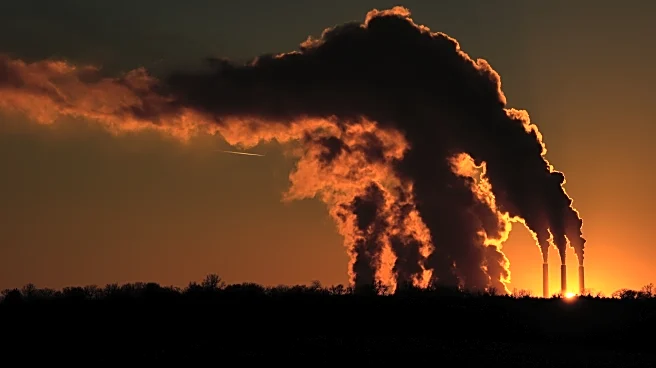
The rollback of climate change regulations by the Trump administration has significant implications for environmental policy and public health. By eliminating greenhouse gas emissions standards, the decision could lead to increased pollution and contribute to global warming. This move aligns with President Trump's broader agenda of deregulation, which he argues is necessary for economic growth. However, critics, including environmentalists and scientists, warn that such actions could have detrimental effects on the environment and public health. The decision also reflects the ongoing political debate over climate change, with potential impacts on international relations and the U.S.'s role in global environmental efforts.
What's Next?
The repeal of the EPA's greenhouse gas emissions standards is likely to face legal challenges from environmental groups and states that support stricter climate policies. These stakeholders may argue that the rollback violates environmental laws and endangers public health. Additionally, the decision could influence future political campaigns and policy discussions, as climate change remains a contentious issue in U.S. politics. The outcome of these legal and political battles will shape the direction of U.S. environmental policy and its commitment to addressing climate change.