




What's Happening?
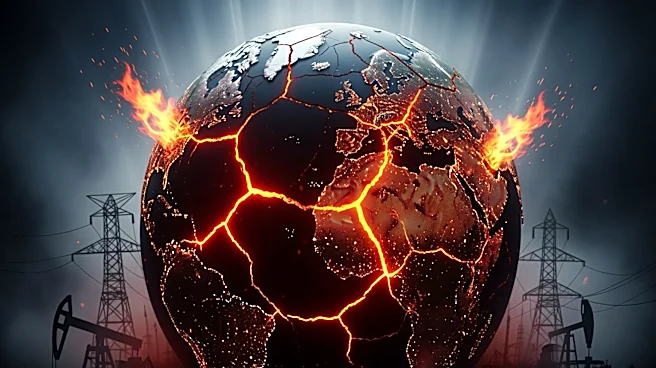
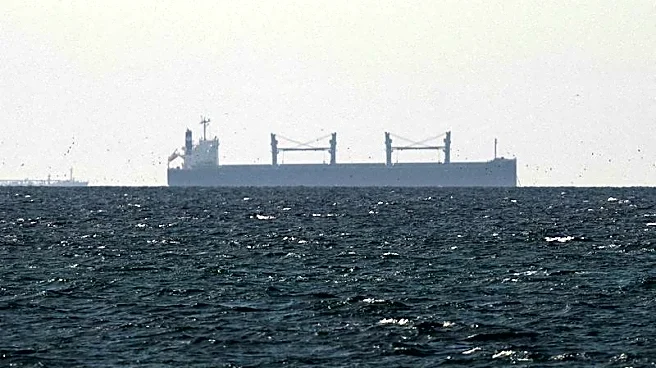
The global energy landscape is experiencing a series of shocks due to geopolitical tensions, military conflicts, and the transition to low-carbon energy sources. Recent events, such as the war in Ukraine and the Iran conflict, have disrupted oil and gas
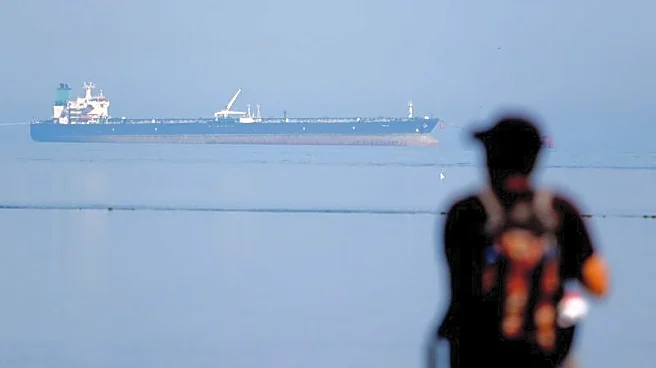
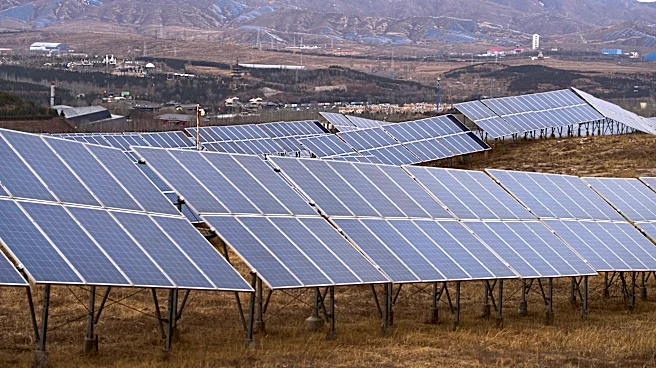
supplies, highlighting vulnerabilities in the current energy model. The blockage of the Strait of Hormuz by Iran has further exacerbated these disruptions. The shift towards renewable energy is accelerating, driven by the need for energy security and independence. However, this transition also introduces new dependencies on low-carbon technologies, primarily concentrated in China, raising concerns about trade and industrial tensions.
Why It's Important?
The frequent energy shocks have significant implications for global energy security and economic stability. The disruptions in oil and gas supplies can lead to increased energy prices, affecting consumers and industries worldwide. The transition to renewable energy, while necessary for reducing carbon emissions, also poses challenges due to the concentration of technology production in specific regions, potentially leading to new geopolitical tensions. The need for diversified and flexible energy systems is crucial to withstand future shocks and ensure energy security.
What's Next?
Countries are likely to focus on building resilient energy systems that are less dependent on fossil fuels and more diversified in terms of energy sources. This may involve increased investment in renewable energy infrastructure and technologies. Additionally, geopolitical strategies may shift towards securing energy supply chains and reducing dependencies on specific regions. The ongoing transition to low-carbon energy is expected to continue, with governments implementing policies to support this shift while addressing the associated risks.