





What's Happening?
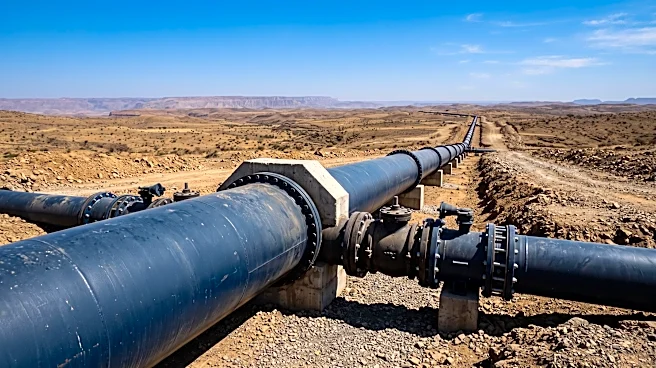
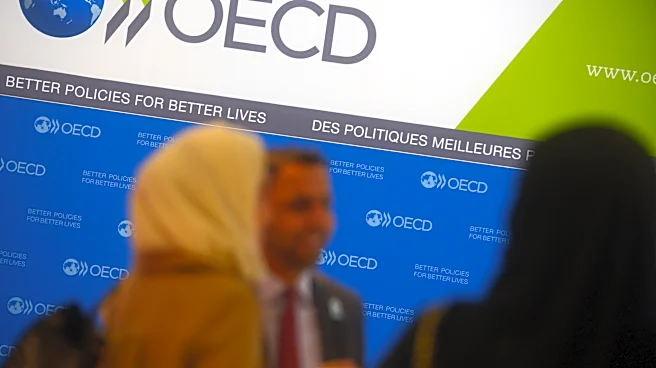
The World Bank, an international financial agency, is backing the Horn of Africa Groundwater for Resilience Program. This initiative involves significant civil works, including the supply and installation of pipes and fittings, design review, and the installation of electromechanical
equipment for various lots in the Dolo Zone. The United States, a founding member and the largest shareholder of the World Bank, plays a crucial role in supporting such international development efforts. The World Bank provides loans and grants to low- and middle-income countries for capital projects, with a focus on critical international development concerns. This program aims to enhance resilience in the Horn of Africa through improved water infrastructure.
Why It's Important?
The United States' continued support for the World Bank and its initiatives, particularly the International Development Association (IDA), underscores its commitment to global development and stability. The Horn of Africa, a region often challenged by instability and resource scarcity, stands to benefit significantly from improved water infrastructure. This program, by focusing on groundwater resources, addresses a fundamental need for resilience in the face of environmental and social pressures. For the U.S., investing in such programs aligns with its foreign policy objectives of promoting stability, reducing poverty, and fostering economic development in strategically important regions. The success of these projects can mitigate humanitarian crises and create more stable environments, which indirectly benefits U.S. security and economic interests by reducing the need for future interventions and fostering potential trade partners.
What's Next?
The program will proceed with the civil works, including the procurement and installation phases for the specified lots in the Dolo Zone. The World Bank, with U.S. backing, will continue to monitor the implementation and impact of these projects. Future efforts will likely focus on ensuring the sustainability of the installed infrastructure and expanding similar resilience-building initiatives across the Horn of Africa. The U.S. will likely maintain its advocacy for accountability, transparency, and development impact within the World Bank's operations, ensuring that its contributions effectively address the needs of recipient countries and align with broader international development goals.
Beyond the Headlines
This initiative highlights the complex interplay between international finance, development aid, and geopolitical stability. The focus on groundwater for resilience in the Horn of Africa points to a growing recognition of water security as a critical component of national and regional stability. Beyond the immediate infrastructure development, such programs can foster long-term community resilience, reduce inter-communal conflicts over resources, and support sustainable livelihoods. The U.S. role as a major shareholder in the World Bank also reflects its soft power projection, influencing global development agendas and promoting its values through multilateral institutions. The success of these projects could serve as a model for addressing similar challenges in other vulnerable regions, emphasizing the importance of integrated approaches to development and security.