



What's Happening?
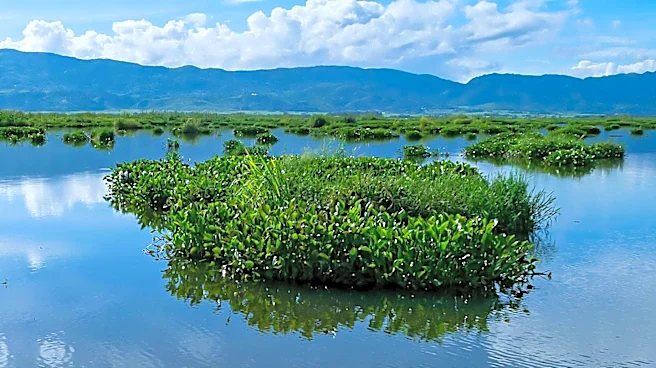
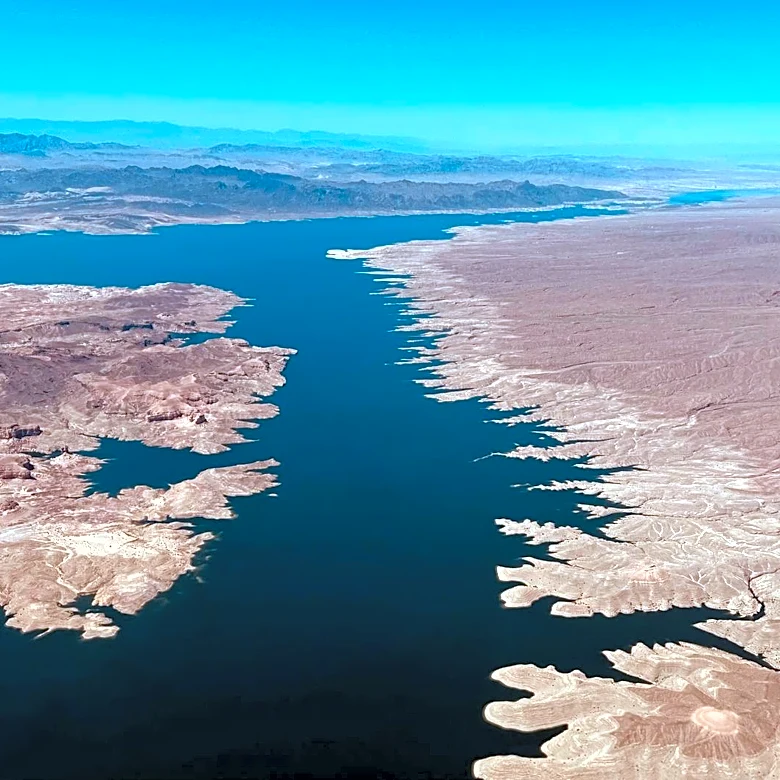
In southeastern Colorado, a dispute between Colorado Parks and Wildlife (CPW) and the Fort Lyon Canal Company has led to the closure of public access to Adobe Creek and Thurston reservoirs. This decision impacts local businesses, such as the Tackle Box
fishing store in Hasty, which relies on the reservoirs for its customer base. The Fort Lyon Canal Company decided not to renew public access agreements, citing obligations to shareholders and operational needs. The reservoirs are crucial for the company's water storage and delivery system, and the board of directors has a fiduciary responsibility to maintain them. The closure has raised concerns about the economic impact on the region, which already struggles with limited economic development opportunities.
Why It's Important?
The closure of reservoir access in southeastern Colorado highlights the tension between private water rights and public recreational use. This situation underscores the economic vulnerability of rural communities that depend on natural resources for tourism and local business. The fishing economy in the region is a significant source of income, and the loss of access could lead to decreased tourism and financial strain on businesses like the Tackle Box. The dispute also reflects broader challenges in water management and resource allocation, particularly in areas facing prolonged drought conditions. The outcome of this situation could set a precedent for similar disputes in other regions.
What's Next?
Negotiations between CPW and the Fort Lyon Canal Company are ongoing, with the potential for a new agreement to restore public access. Governor Jared Polis has expressed willingness to mediate if necessary, emphasizing the importance of keeping recreational areas open to the public. The resolution of this dispute will be critical for the local economy and could influence future water management policies in Colorado. In the meantime, businesses and residents will need to adapt to the current restrictions, potentially seeking alternative recreational opportunities or advocating for policy changes to support public access to natural resources.