




What's Happening?
The Gaza Health Ministry has reported a severe escalation of malnutrition and starvation, leading to 466 deaths since 2024, including 157 children and 189 elderly individuals. The ministry issued a press statement on October 16, marking World Food Day,
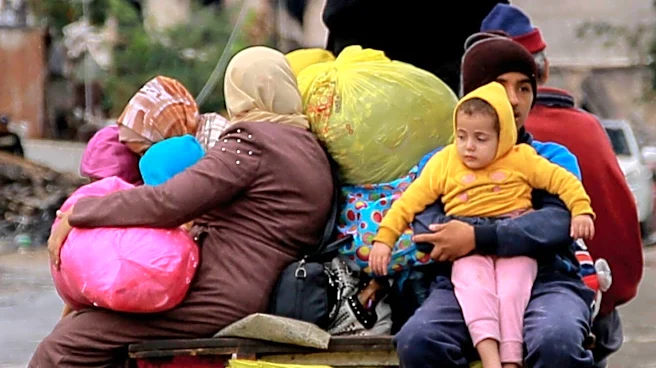
highlighting that the elderly account for 40.5% of these deaths, while children represent approximately one-third. Furthermore, 158,001 cases of acute malnutrition have been recorded among children under five from 2024 through August 2026, with 28,716 being life-threatening severe cases. Projections indicate that around 74,200 children will require treatment for acute malnutrition until April 2027. The under-five mortality rate has significantly increased from 13.6 to 33.4 deaths per 1,000 live births between 2022 and 2025, with 12.2% of children experiencing stunting. Famine was officially declared in Gaza governorate in August 2025, and current projections suggest that over 1.4 million people, or 67% of Gaza's population, will face crisis levels of food insecurity or worse until the end of 2026.
Why It's Important?
The escalating malnutrition and starvation crisis in Gaza has profound implications for public health and humanitarian efforts. The high mortality rate, particularly among vulnerable populations like children and the elderly, signals a catastrophic humanitarian situation. The significant increase in acute malnutrition cases among young children threatens long-term health and development, potentially leading to a generation with chronic health issues and impaired growth. The declaration of famine underscores the failure of existing aid mechanisms and highlights the urgent need for unrestricted access to food and medical supplies. The crisis also impacts pregnant women, with anemia rates rising to 61% and a threefold increase in pregnancy losses, indicating a severe strain on maternal health. The broader societal impact includes a breakdown of basic human rights, as the right to food is not being met, leading to widespread suffering and instability. This situation places immense pressure on international organizations and governments to intervene effectively and ensure the basic survival needs of the population are met.
What's Next?
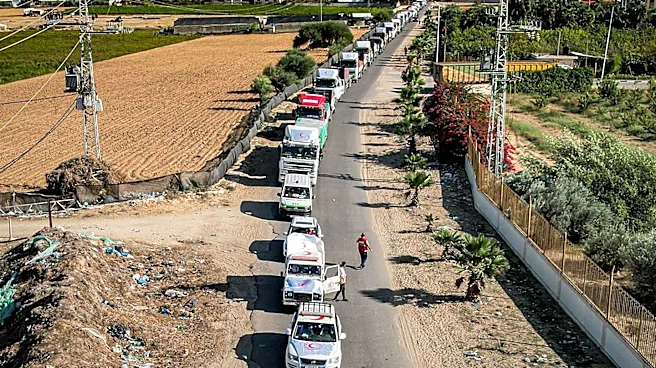
The Gaza Health Ministry has urgently called on the international community and the United Nations to take immediate action to ensure the safe, sustainable, and unrestricted entry of food, therapeutic supplements, and medicines into the Gaza Strip. They emphasize prioritizing children, pregnant and breastfeeding women, and the elderly. Additionally, there is a call for support to local food production to strengthen the population's ability to obtain food and reduce reliance on emergency aid. Without swift and decisive action, the crisis is expected to worsen, with projections indicating continued high levels of food insecurity. The international community's response will be critical in determining whether the humanitarian situation can be stabilized or if it will further deteriorate. Continued advocacy for open humanitarian corridors and increased funding for aid operations will be essential to mitigate the ongoing crisis and prevent further loss of life.
Beyond the Headlines
The severe malnutrition and starvation crisis in Gaza extends beyond immediate food shortages, revealing deeper systemic issues related to conflict, access, and governance. The destruction of local food production capabilities has created an almost complete reliance on external aid, making the population highly vulnerable to political decisions and logistical bottlenecks. The reported deaths and widespread malnutrition highlight a potential violation of international humanitarian law, which mandates the protection of civilians and ensures access to essential supplies during conflict. The long-term consequences include not only physical health deterioration but also significant psychological trauma for the affected population, particularly children. The crisis also raises ethical questions about the responsibility of all parties involved to ensure the basic human rights of civilians. The ongoing situation could lead to a protracted humanitarian disaster, requiring sustained international commitment and a fundamental shift in policies to address the root causes of food insecurity and ensure lasting stability.