

What's Happening?
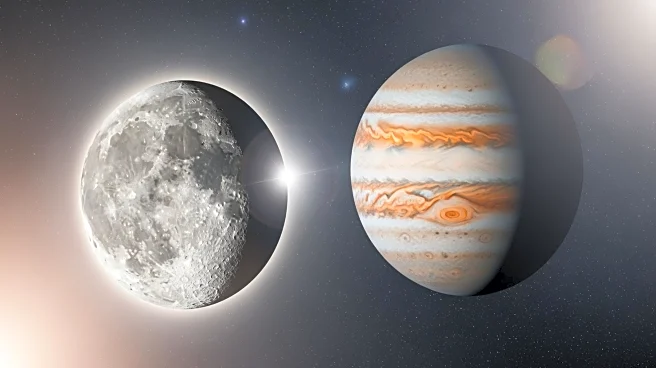
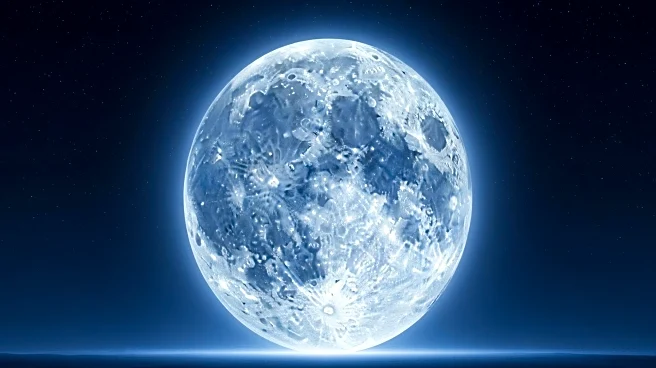
The first full moon of 2026, known as the Wolf Moon, will appear as a supermoon, offering a brighter and larger view than usual. This celestial event coincides with Earth's perihelion, its closest approach to the sun, adding to the astronomical significance.
The Wolf Moon will rise on January 2 and reach its peak fullness in the early hours of January 3. This supermoon is the last in a series that began in late 2025, occurring when the moon is closest to Earth, making it appear larger and more radiant. The event is rooted in Native American and Colonial American traditions, where January's full moon was named for the howling of wolves during the cold winter nights.
Why It's Important?
The Wolf Supermoon and perihelion offer a unique opportunity for skywatchers and the general public to engage with astronomical phenomena. Such events can inspire interest in astronomy and science, fostering educational opportunities and public engagement. The timing of the supermoon with Earth's perihelion provides a rare alignment that enhances the visual spectacle, potentially drawing attention to the natural rhythms and cycles that govern our planet. This event also serves as a cultural reminder of historical traditions and the ways in which natural phenomena have been interpreted and celebrated across generations.
What's Next?
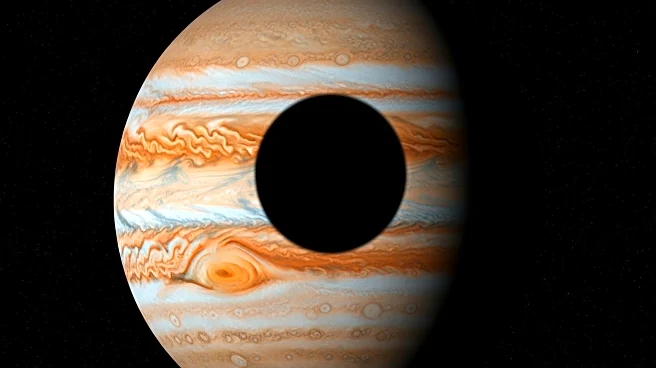
Following the Wolf Supermoon, Jupiter will reach opposition about a week later, providing another opportunity for skywatchers to observe celestial events. The Quadrantid meteor shower will also peak in early January, although the brightness of the supermoon may obscure the visibility of the meteors. The next full moon, the Snow Moon, will occur on February 1, continuing the tradition of naming full moons based on seasonal characteristics. These events offer ongoing opportunities for public engagement with astronomy and the natural world.
Beyond the Headlines
The Wolf Supermoon and its cultural significance highlight the enduring connection between human societies and the natural world. The naming of full moons based on seasonal and environmental cues reflects a deep understanding of nature's cycles, which continue to influence cultural practices and storytelling. This event also underscores the importance of preserving dark skies and reducing light pollution to ensure that future generations can experience the wonder of the night sky.