





What's Happening?
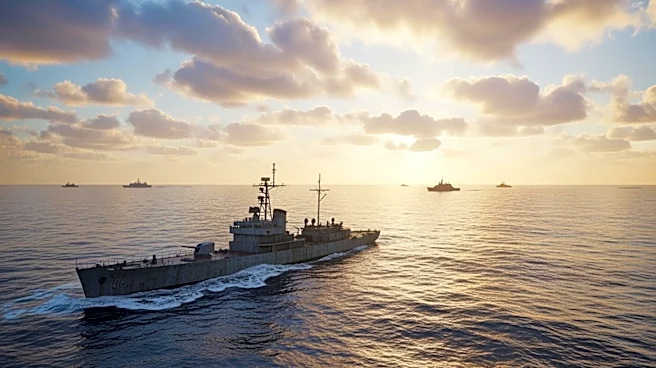
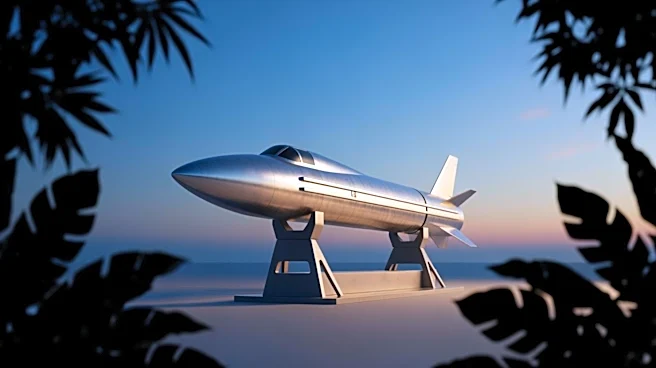
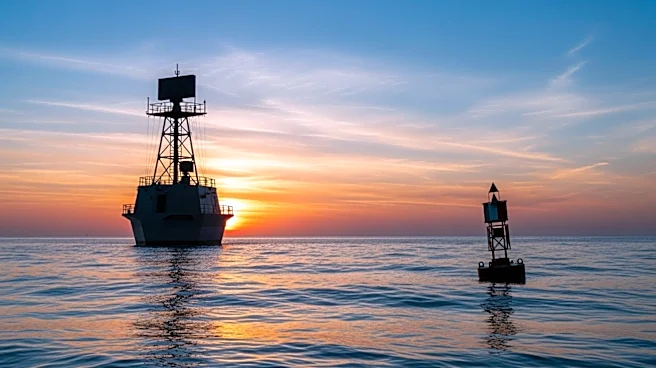
Japan has conducted its first-ever missile launch from Philippine soil, marking a significant event in the Exercise Balikatan 2026. The Japan Ground Self-Defense Force fired a Type 88 anti-ship missile, which successfully hit a decommissioned Philippine naval
vessel in the South China Sea. This event is notable as it represents the first deployment of Japanese combat troops in the Philippines since World War II, facilitated by a reciprocal access agreement between Manila and Tokyo. Approximately 1,400 Japanese soldiers participated in the exercise, highlighting growing military cooperation between Japan and the Philippines amid concerns over China's regional assertiveness. The exercise involved around 17,000 troops from seven countries and included various missile systems from the U.S. and Philippine forces.
Why It's Important?
The missile launch underscores the strengthening military ties between Japan and the Philippines, which are strategically significant given the geopolitical tensions in the South China Sea. Both nations are enhancing their defense capabilities in response to China's increasing military presence in the region. The deployment of Japanese forces and the successful missile test demonstrate a commitment to regional security and deterrence. This cooperation could influence the balance of power in the Asia-Pacific, potentially affecting U.S. military strategy and alliances. The exercise also reflects Japan's evolving defense policy, which now includes the sale of lethal weapons, further integrating its military capabilities with those of its allies.
What's Next?
Following the successful exercise, Japan and the Philippines are likely to continue strengthening their military partnership. The Philippines is planning to acquire military equipment from Japan, including aircraft and destroyers, which could enhance its defense capabilities. The ongoing collaboration may lead to more joint exercises and strategic agreements, potentially involving other regional allies. As tensions with China persist, the U.S. and its allies may increase their military presence and activities in the region to ensure stability and freedom of navigation in the South China Sea.