



What's Happening?
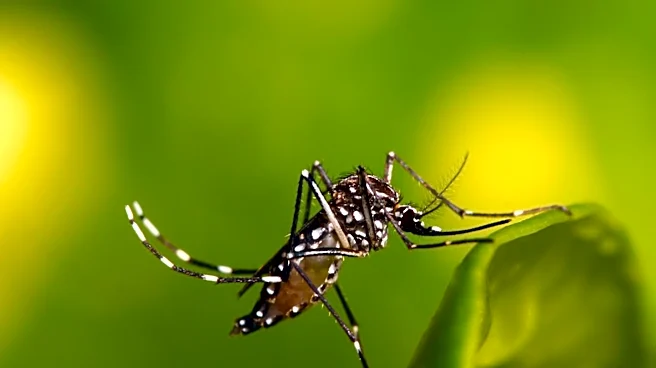
A Climate Central analysis reveals that 95% of major U.S. cities have experienced an increase in mosquito disease days since the 1970s. These days, characterized by temperatures conducive to mosquito activity, have risen by an average of 18 days annually.
The Southeast, Northeast, and Northwest regions have seen the largest increases. The analysis highlights the role of climate change in extending mosquito seasons, which could lead to higher transmission rates of diseases like West Nile virus. The study emphasizes the need for public health strategies to address the growing threat of mosquito-borne diseases.
Why It's Important?
The increase in mosquito disease days poses a significant public health challenge, as it could lead to more frequent and severe outbreaks of mosquito-borne diseases. This trend underscores the broader impacts of climate change on health, necessitating adaptive measures in urban planning and public health policy. The findings highlight the importance of monitoring and controlling mosquito populations to prevent disease spread. As climate change continues to alter weather patterns, the U.S. must prepare for the potential rise in vector-borne diseases, which could strain healthcare systems and impact economic productivity.