




What's Happening?
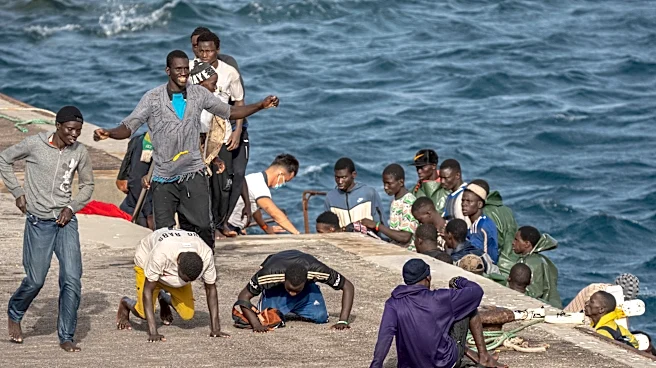
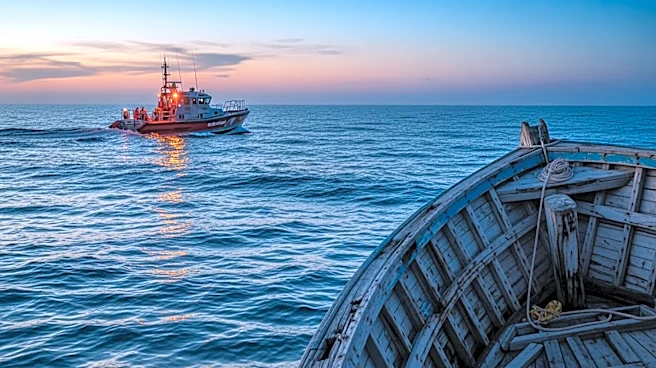
On Sunday, the U.S. Coast Guard, in collaboration with partner agencies, successfully intercepted and rescued a vessel carrying approximately 240 maritime migrants off the coast of the Turks and Caicos Islands. The vessel, a 50-foot Haitian migrant boat,
was spotted by a Customs and Border Protection patrol plane about 65 nautical miles south of the islands. The boat was equipped with two outboard engines and was heading north. Upon detection, the Coast Guard dispatched a search aircraft, which found the vessel taking on water at a significant rate, with occupants bailing out water using buckets. The Coast Guard coordinated with local law enforcement to tow the vessel and transfer the migrants to the Turks and Caicos Border Force for custody. Lt. Chelsea Garcia, Coast Guard deputy director of Operations Bahamas Turks and Caicos, emphasized the dangers of such maritime migration attempts, urging individuals to seek legal and safe migration avenues.
Why It's Important?
This incident underscores the ongoing challenges and risks associated with maritime migration in the Caribbean region. The rescue highlights the critical role of the U.S. Coast Guard and partner agencies in ensuring the safety of migrants attempting perilous sea journeys. Such operations are vital in preventing loss of life and addressing the humanitarian aspects of migration. The event also reflects broader migration pressures in the region, driven by economic and political instability in countries like Haiti. The U.S. and regional governments face the complex task of balancing border security with humanitarian responsibilities, as they work to manage migration flows and provide safe alternatives for those seeking better opportunities.
What's Next?
The rescued migrants are now in the custody of the Turks and Caicos Border Force, and their future will likely involve processing through local immigration systems. The U.S. Coast Guard and regional partners will continue to monitor maritime routes for similar migration attempts, enhancing surveillance and response capabilities. This incident may prompt further discussions on regional cooperation to address the root causes of migration and improve legal migration pathways. Additionally, there may be increased diplomatic efforts to stabilize conditions in migrant-sending countries, aiming to reduce the need for such dangerous journeys.