




What's Happening?
Afghanistan is experiencing an unprecedented malnutrition crisis, with millions facing acute hunger due to a sharp decline in international aid and overlapping crises. John Aylieff, Afghanistan country director for the World Food Program (WFP), reports
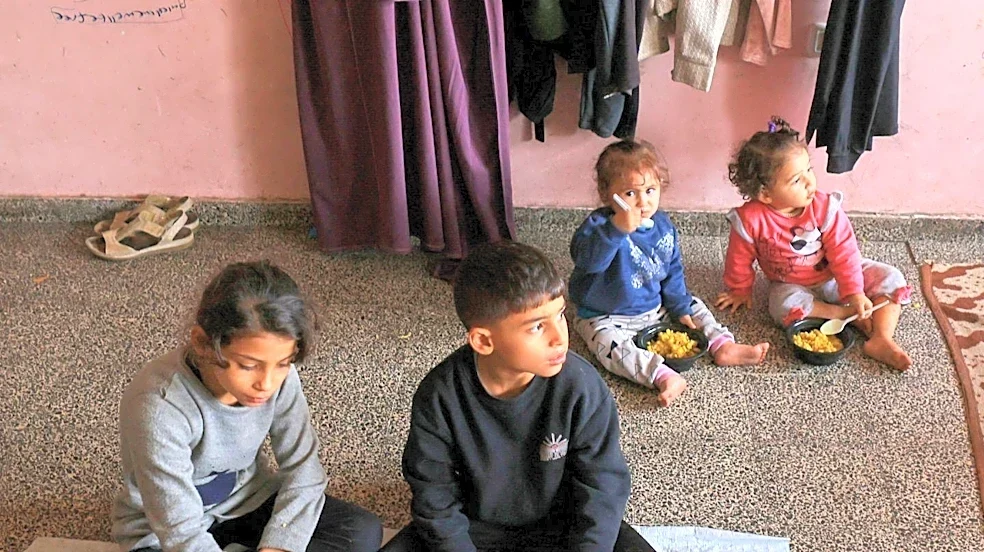
that 19 million people, nearly 40% of the population, will face 'life-threatening' hunger in the coming months. Acute malnutrition, which is fatal if untreated, is spiraling, with 5.3 million women and children expected to need treatment in the next year, an increase of 1.3 million since 2022. The crisis is exacerbated by four decades of war, a year-long closure of border crossings with Pakistan, the return of over 5 million Afghan refugees, natural disasters, and rising food prices. Funding cuts have severely impacted humanitarian organizations; the WFP, for instance, has only 12% of the funding it had in 2022, forcing them to turn away six out of seven acutely malnourished women and children from health clinics.
Why It's Important?
This severe malnutrition crisis in Afghanistan represents a catastrophic humanitarian failure with profound implications. The drastic reduction in international aid, particularly from the U.S., following the Taliban takeover in 2021, has directly contributed to the widespread hunger and suffering. The inability of organizations like the WFP to provide essential food assistance means that millions, especially vulnerable women and children, are at immediate risk of death. This situation highlights the devastating consequences when humanitarian aid becomes entangled with political considerations. The long-term effects will include a generation of children suffering from irreversible physical and cognitive damage, perpetuating a cycle of poverty and instability. The crisis also underscores the fragility of global humanitarian response mechanisms when faced with complex geopolitical challenges and donor fatigue, raising ethical questions about the international community's responsibility to protect vulnerable populations.
What's Next?
Without a significant and immediate increase in international funding, the humanitarian crisis in Afghanistan is expected to worsen, leading to more deaths and long-term health consequences. Humanitarian organizations will continue to advocate for increased aid and for the separation of humanitarian assistance from political considerations. The international community faces pressure to re-evaluate its aid policies towards Afghanistan to prevent a complete collapse of the country's social fabric. Efforts may focus on diplomatic channels to ensure safe and unhindered access for aid delivery, as well as addressing the underlying economic drivers of poverty. However, given the current geopolitical landscape and the Taliban's governance, securing substantial and sustained aid remains a significant challenge. The situation calls for urgent global attention and coordinated action to prevent further loss of life and mitigate the long-term impact on the Afghan population.
Beyond the Headlines
The crisis in Afghanistan extends beyond immediate food shortages to reveal deeper systemic issues. The withdrawal of U.S.-led forces and the subsequent halt of direct foreign aid created an economic vacuum that plunged millions into poverty, demonstrating the profound dependency of the Afghan economy on international support. The current situation highlights the ethical dilemma faced by donor countries: how to provide humanitarian aid without legitimizing a regime whose policies are often at odds with international norms. The 'international scandal' described by John Aylieff points to a broader indifference from the global community towards the suffering of Afghan children, raising questions about universal humanitarian obligations. This crisis also underscores the interconnectedness of conflict, climate change, and economic instability, as these factors collectively exacerbate food insecurity. The long-term implications include potential mass displacement, increased regional instability, and a lost generation of children, making it a critical test case for international humanitarian principles.