


What's Happening?
Congresswoman April McClain Delaney (MD-06), along with Senator Chris Van Hollen and the entire Maryland Congressional delegation, has demanded an immediate, independent, and transparent investigation into the tactics used by Immigration and Customs Enforcement
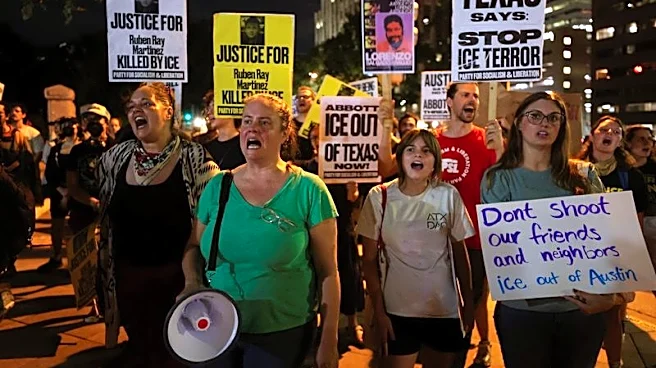
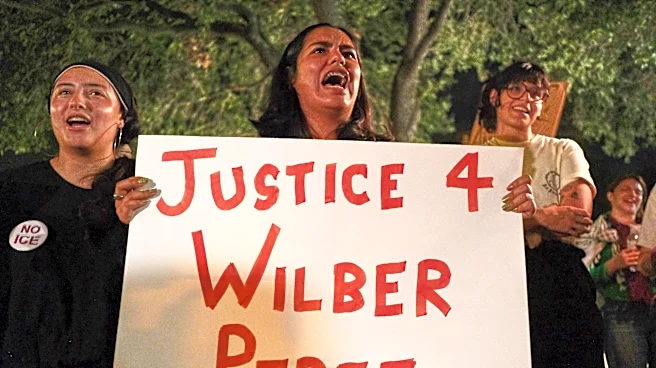
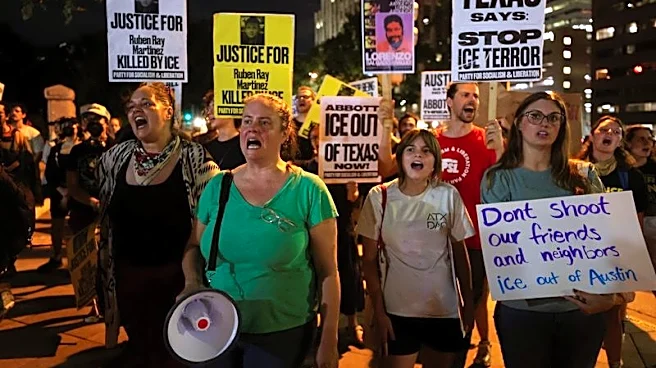
(ICE) during an operation in Frederick, Maryland, on September 3rd and 4th. A letter detailing these demands was sent to Department of Homeland Security Secretary Markwayne Mullin, Acting ICE Director David Venturella, and DHS Inspector General Joseph V. Cuffari, with a response deadline of October 1, 2026. The delegation is seeking answers regarding the authorization of the operation, the warrants relied upon by ICE, and the use-of-force policies that permitted certain tactics. Concerns were raised after reports and videos showed a federal law enforcement vehicle striking an observer, officers using a baton on a protester, and another person being dragged off a home's steps. The delegation also highlighted that nearly 70% of the 1,328 people arrested in a recent two-week surge across Maryland and Virginia had no criminal record.
Why It's Important?
This demand for an independent investigation is important because it addresses serious allegations of excessive force and questionable tactics by a federal agency, potentially impacting civil liberties and community trust. The reported incidents, including the use of vehicles against observers and physical force against protesters, raise concerns about accountability and adherence to established protocols. The high percentage of arrests involving individuals with no criminal record also challenges the stated focus of ICE operations on targeting dangerous criminals, suggesting a broader impact on immigrant communities. An independent investigation is crucial for ensuring transparency, determining the facts, and holding responsible parties accountable. The outcome could influence future ICE operational guidelines, training, and oversight, potentially leading to reforms that better balance enforcement with community safety and constitutional rights. This situation also highlights the ongoing tension between immigration enforcement and community relations.
What's Next?
The Department of Homeland Security Secretary, Acting ICE Director, and DHS Inspector General are expected to respond to the Maryland Congressional delegation's letter by the October 1, 2026, deadline. This response will likely outline the agencies' initial findings, their plans for an investigation, or their justification for the actions taken. Depending on the nature of the response, the Maryland delegation may pursue further actions, such as calling for congressional hearings, introducing legislation to reform ICE practices, or requesting a more comprehensive federal inquiry. Community groups and civil rights organizations will likely continue to monitor the situation and advocate for accountability and transparency. The investigation's findings could also lead to internal reviews within ICE, potential disciplinary actions, or changes in operational procedures to prevent similar incidents in the future.
Beyond the Headlines
Beyond the immediate concerns about ICE tactics, this incident and the subsequent demand for an investigation delve into the broader societal implications of immigration enforcement in local communities. The reported actions by ICE officers, particularly in a residential area, can foster fear and distrust among residents, regardless of their immigration status, potentially making communities less safe by discouraging cooperation with law enforcement. The debate over administrative versus judicial warrants, and the scope of ICE's authority, touches upon fundamental legal and constitutional questions regarding due process and civil liberties. This event also highlights the role of video evidence and citizen journalism in documenting and bringing attention to alleged abuses of power. The outcome of this investigation could set precedents for how federal agencies operate within local jurisdictions and the level of oversight they are subject to, influencing the balance between national security interests and individual rights.