




What's Happening?
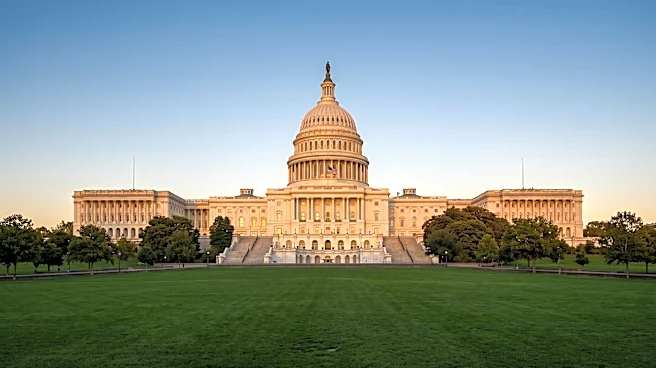
U.S. Senators Shelley Moore Capito and Ben Ray Luján have jointly introduced the Guaranteeing Honest Ownership in Secondary Ticketing (GHOST) Act. This proposed legislation aims to safeguard fans and concertgoers from fraudulent practices prevalent in the secondary
ticket market. The core of the GHOST Act is to prohibit ticket resellers from selling tickets they do not currently possess. Senator Capito emphasized that West Virginians, and consumers generally, who spend their money on event tickets should have confidence that the tickets they purchase are legitimate. She highlighted that deceptive practices often lead to consumers paying inflated prices for non-existent tickets. The GHOST Act seeks to introduce common-sense protections to enhance transparency and accountability within the ticket marketplace, ultimately ensuring a more equitable ticket-buying experience for consumers. The bill outlines specific provisions, including empowering the Federal Trade Commission (FTC) to pursue action against violators and seek both injunctive and monetary relief. Additionally, it mandates the FTC to create a website for consumers to report potential violations of the GHOST Act and the existing Better Online Ticket Sales (BOTS) Act of 2016. State attorneys general would also be authorized to enforce the law.
Why It's Important?
The introduction of the GHOST Act is significant for consumer protection in the U.S. entertainment and sports industries. Deceptive ticket resale practices, such as selling speculative tickets (tickets not yet owned by the reseller), have long plagued consumers, leading to financial losses and frustration. This legislation directly addresses a critical loophole that allows resellers to profit from tickets they may never acquire, often at inflated prices. By banning such practices and empowering the FTC and state attorneys general, the GHOST Act aims to restore trust and fairness in the secondary ticket market. This could have a substantial impact on how tickets are bought and sold, potentially reducing instances of fraud and price gouging. For consumers, it means a more secure purchasing environment and greater assurance that their purchased tickets are valid. For legitimate ticket vendors and event organizers, it could help level the playing field by curbing the unfair advantages gained by unscrupulous resellers. The legislation also underscores a growing recognition among lawmakers of the need to regulate digital marketplaces to protect consumers from evolving forms of online fraud.
What's Next?
The GHOST Act will now proceed through the legislative process in the U.S. Senate. It will likely be referred to a relevant committee for review, debate, and potential amendments. Stakeholders, including consumer advocacy groups, ticket resellers, event organizers, and industry associations, are expected to engage with lawmakers to express their views on the proposed legislation. The bill's progression will depend on bipartisan support and its ability to garner sufficient votes in both the Senate and the House of Representatives. If passed, the FTC would then be tasked with establishing the necessary enforcement mechanisms, including the consumer reporting website, and developing guidelines for compliance. State attorneys general would also need to prepare for their expanded role in enforcing the law. The implementation of the GHOST Act could lead to a significant shift in the operational practices of secondary ticket markets, potentially forcing platforms and resellers to adopt more stringent verification processes for ticket ownership before listing them for sale.
Beyond the Headlines
Beyond its immediate impact on ticket sales, the GHOST Act touches upon broader issues of consumer trust in digital commerce and the role of government regulation in online marketplaces. The legislation highlights the ongoing challenge of balancing innovation and market freedom with the need to protect consumers from exploitation in an increasingly complex digital economy. The act's focus on transparency and accountability could set a precedent for how other online sectors are regulated, particularly those where intangible goods or services are frequently resold. Furthermore, the emphasis on empowering both federal and state authorities reflects a comprehensive approach to enforcement, acknowledging that consumer protection often requires multi-level governmental action. The success of the GHOST Act could influence future legislative efforts to address similar deceptive practices in other industries, fostering a more secure and trustworthy online environment for consumers across various sectors.