


What's Happening?
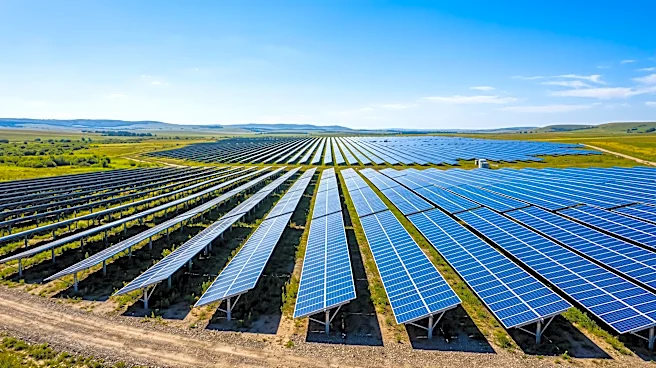
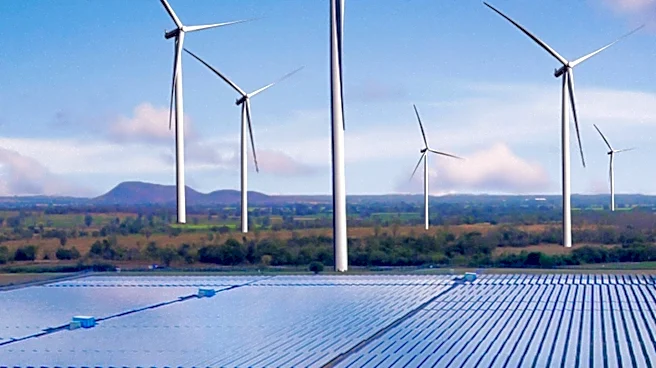
The California State University (CSU) system is committed to significantly increasing its self-generated renewable energy and battery capacity. By 2030, the CSU aims to boost its capacity from 32 megawatts (MW) to 80 MW. This initiative is part of a broader
strategy to reduce energy capacity requirements from fossil fuels, enhance electrical demand flexibility, and promote energy resilience through economically feasible on-site renewable generation, microgrids, and other fossil fuel-free energy storage solutions. The CSU will also consider opportunities to exceed the State of California and California Public Utilities Commission Renewable Portfolio Standard (RPS) goal of procuring 60 percent of its electricity needs from renewable sources by 2030, consistent with SB 100 (PUC§399.11). Furthermore, to minimize natural gas use, campuses will transition from fossil-fuel sourced equipment to electric equipment during replacements or renovations. Starting July 1, 2035, there will be no new investment in, or renewal of, natural gas assets or infrastructure for campus projects, with exceptions only for critical academic program needs.
Why It's Important?
This move by the CSU system is significant as it demonstrates a large public institution's commitment to clean energy and sustainability, setting a precedent for other educational and public entities. By investing in renewable energy and battery storage, the CSU will reduce its reliance on fossil fuels, contributing to California's broader climate goals and potentially lowering operational costs in the long run. The transition to electric equipment and the moratorium on new natural gas infrastructure will directly impact the state's energy consumption patterns and greenhouse gas emissions. This initiative also supports the development of a skilled workforce in renewable energy technologies, as the CSU system educates a substantial portion of California's future professionals. The emphasis on microgrids and energy resilience could also serve as a model for enhancing energy security in the face of climate-related challenges and grid vulnerabilities.
What's Next?
The CSU system will continue to implement its plan to increase renewable energy and battery capacity, with a target of 80 MW by 2030. Campuses will proceed with transitioning from fossil-fuel sourced equipment to electric alternatives as replacements or renovations become necessary. The July 1, 2035 deadline for ending new investments in natural gas assets and infrastructure will drive further planning and procurement decisions across the system. The CSU will also monitor its progress against the State of California and California Public Utilities Commission Renewable Portfolio Standard, seeking opportunities to exceed the 60 percent renewable energy procurement goal by 2030. This ongoing commitment will likely involve partnerships with clean energy providers, technology developers, and potentially state and federal agencies to secure funding and expertise for these ambitious projects.
Beyond the Headlines
The CSU's initiative extends beyond mere energy procurement; it represents a fundamental shift in institutional infrastructure and operational philosophy. By prioritizing renewable energy and phasing out natural gas, the CSU is not only addressing environmental concerns but also preparing its campuses for a future less dependent on volatile fossil fuel markets. This commitment could influence curriculum development, fostering research and education in renewable energy technologies and sustainable practices. The long-term implications include a potential reduction in the CSU's carbon footprint, improved air quality in surrounding communities, and the creation of living laboratories for sustainable energy solutions. This strategic direction also positions the CSU as a leader in climate action within the higher education sector, potentially inspiring similar transitions in other large public and private institutions across the nation.