







What's Happening?
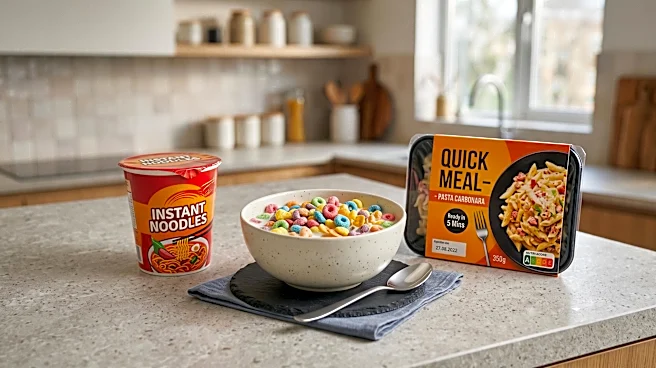
Ultra-processed foods, characterized by combinations of refined sugars, starches, fats, flavorings, colors, emulsifiers, and stabilizers, are designed to enhance texture, appearance, taste, and shelf life. These foods often contain ingredients not typically
found in home kitchens and are generally high in calories but low in nutritional value. While some food processing methods like washing, chopping, cooking, freezing, fermenting, and canning can be beneficial, ultra-processed foods are distinct due to their industrial formulation. Research indicates associations between higher consumption of these foods and poorer mental health outcomes, including symptoms of depression and anxiety. Additionally, these foods are linked to cardiovascular conditions and weight gain. The design of ultra-processed foods makes them hyper-palatable, stimulating reward centers in the brain and encouraging overconsumption, partly because their softer texture allows for quicker eating before the body's fullness signals register.
Why It's Important?
The widespread availability and consumption of ultra-processed foods have significant implications for public health in the U.S. The link between these foods and adverse health conditions like cardiovascular disease, weight gain, and mental health issues suggests a growing public health crisis. The food industry's focus on creating hyper-palatable, convenient, and inexpensive products contributes to dietary patterns that displace more nutritious whole foods. This can lead to long-term health consequences for individuals and increased healthcare burdens for the nation. The psychological aspect, where food becomes a method of emotional regulation, further complicates dietary choices, creating a cycle where stress leads to poor eating habits, which in turn can exacerbate stress and physical discomfort. Understanding these connections is crucial for developing effective public health strategies and promoting healthier eating habits across the population.
What's Next?
Addressing the impact of ultra-processed foods will likely involve a multi-faceted approach. Public health campaigns may focus on educating consumers about identifying and reducing their intake of these foods, emphasizing the benefits of whole, unprocessed options. Policymakers might consider regulations related to food labeling, marketing, and the availability of ultra-processed foods, particularly in settings like schools. The food industry could face pressure to reformulate products to be more nutritious or to offer a wider range of healthier alternatives. Further research is also anticipated to more definitively establish causal links between ultra-processed food consumption and specific health outcomes, which could inform future dietary guidelines and interventions. Individuals may increasingly seek out resources for healthier eating and cooking at home to mitigate the effects of these foods.
Beyond the Headlines
Beyond the immediate health concerns, the prevalence of ultra-processed foods highlights broader societal and economic implications. The convenience and low cost of these foods often make them a staple for individuals with limited time or financial resources, potentially exacerbating health disparities. The sophisticated marketing strategies employed by the food industry raise ethical questions about consumer manipulation and the responsibility of corporations in public health. Culturally, there's a shift towards convenience over traditional cooking, which impacts culinary skills and family eating patterns. Long-term, a continued reliance on ultra-processed foods could lead to a generation with chronic health issues, impacting productivity, quality of life, and the sustainability of healthcare systems. This situation underscores the need for a holistic approach that considers not just individual choices but also the environmental, economic, and social factors influencing dietary habits.