







What's Happening?
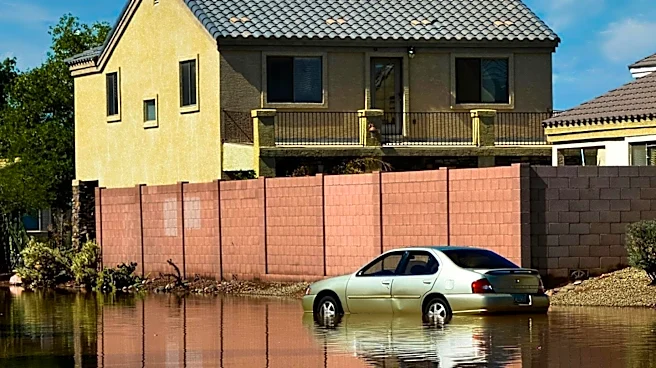
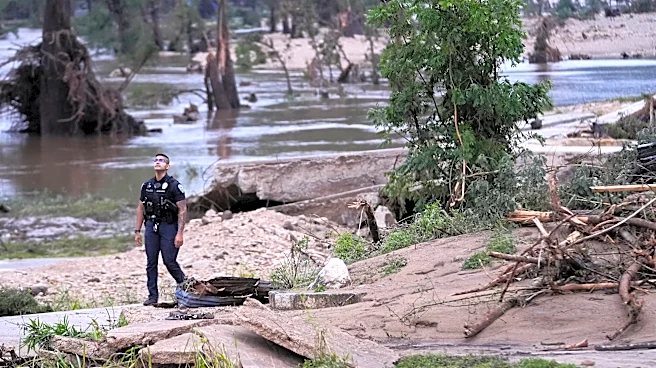
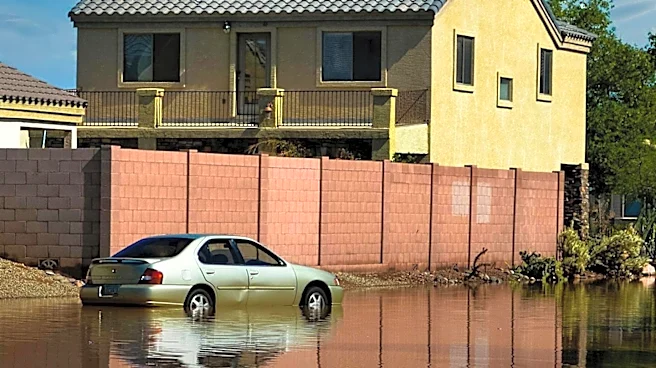
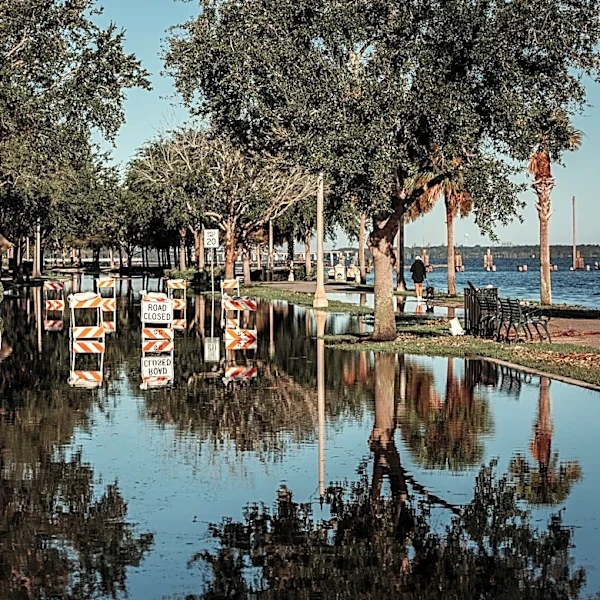
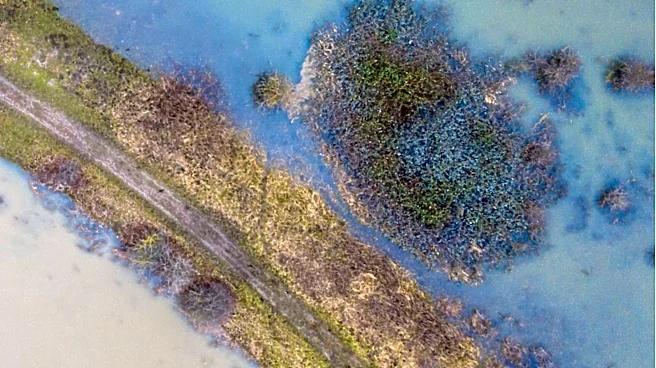
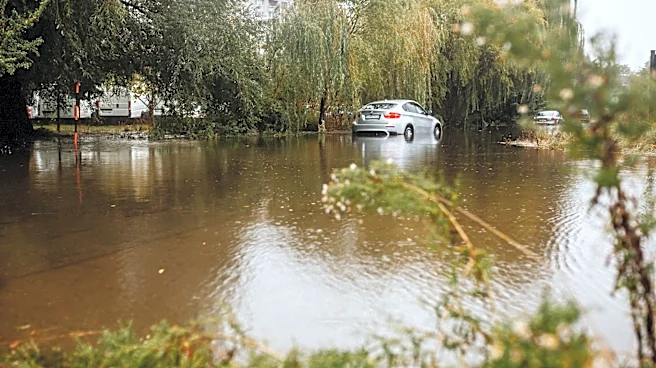
In Texas, first responders are actively engaged in rescue operations as severe flooding continues to impact the region. Heavy rains have resulted in at least two fatalities and necessitated the rescue of hundreds of individuals. The flooding has been
particularly severe in areas near the border with Mexico, where swollen rivers have inundated communities. In Uvalde County, a bridge collapse over the Nueces River has compounded the challenges faced by residents. The region has experienced nearly a trillion gallons of rainfall over a few days, leading to significant flooding in the Hill Country, known for its susceptibility to flash floods. Emergency services have rescued over 570 people, and cleanup efforts are underway as floodwaters begin to recede.
Why It's Important?
The flooding in Texas highlights the vulnerability of certain regions to extreme weather events, exacerbated by climate conditions. The impact on infrastructure, such as the collapse of bridges and closure of highways, underscores the need for resilient infrastructure planning. The economic implications are significant, with businesses and homes damaged, leading to potential long-term economic recovery challenges. The situation also raises concerns about emergency preparedness and response capabilities in the face of increasingly frequent and severe weather events. The displacement of residents and the strain on emergency services highlight the broader societal impacts of such natural disasters.
What's Next?
As floodwaters recede, the focus will shift to recovery and rebuilding efforts. Authorities will need to assess the damage to infrastructure and homes, and provide support to affected communities. There may be calls for increased investment in flood prevention and mitigation strategies, as well as discussions on climate adaptation measures. The response from state and federal agencies will be crucial in determining the speed and effectiveness of recovery efforts. Additionally, there may be policy discussions on improving emergency response systems and infrastructure resilience to better handle future weather-related challenges.