







What's Happening?
A two-year-old girl in Brión, north-west Spain, tragically died of heatstroke after being left in a car during an unseasonably hot period. The incident occurred when the child's father, distracted by a phone call, forgot to drop her off at nursery and
went to work, leaving her in the vehicle. The alarm was raised when the mother went to pick her up and discovered she had not been dropped off. Emergency services were called, but the child was pronounced dead at a nearby health center. The town council of Brión has declared two days of mourning and a minute's silence in her memory. This incident coincides with a period of exceptionally high temperatures in Spain, with forecasts predicting highs of up to 38C (100F).
Why It's Important?
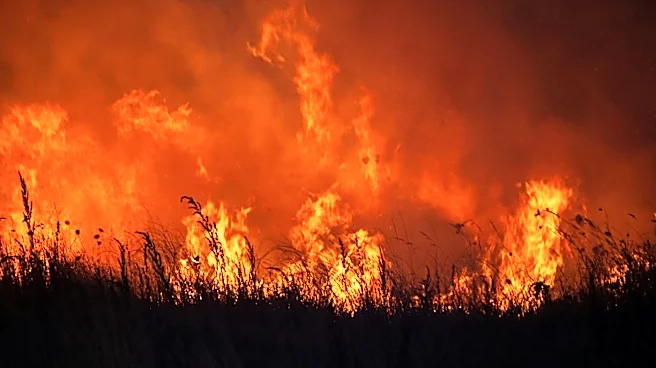
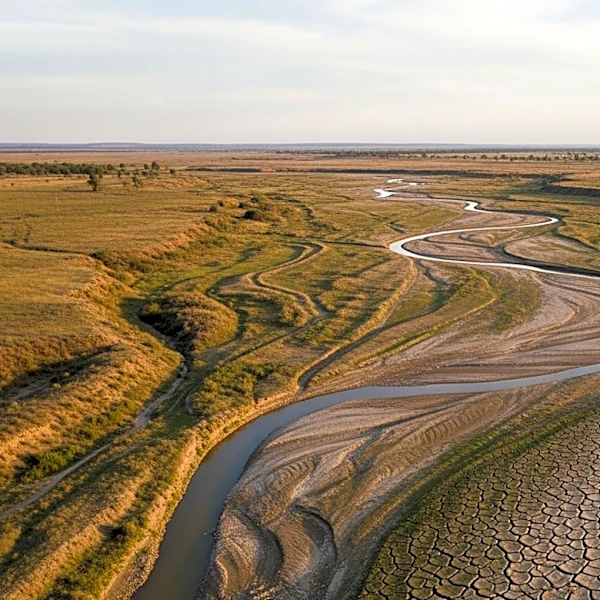
This tragic event underscores the severe impact of rising temperatures attributed to climate change, which has led to more frequent and intense heatwaves in Europe. Spain, particularly vulnerable to these changes, has seen a significant increase in heatwaves and forest fires. The incident highlights the urgent need for public awareness and preventive measures to protect vulnerable populations, especially children, during extreme weather conditions. It also raises questions about societal readiness to adapt to climate-induced changes and the importance of implementing effective safety protocols.
What's Next?
Authorities are investigating the circumstances surrounding the child's death, and the family is receiving psychological support. The incident may prompt a review of safety guidelines and public awareness campaigns to prevent similar tragedies. As Spain continues to experience extreme weather, there may be increased pressure on the government to implement more robust climate adaptation strategies and emergency response plans.
Beyond the Headlines
The incident reflects broader ethical and societal challenges posed by climate change, including the responsibility of individuals and communities to adapt to new environmental realities. It also highlights the potential for increased legal and policy measures to address the risks associated with extreme weather events, particularly in regions most affected by climate change.