
What's Happening?
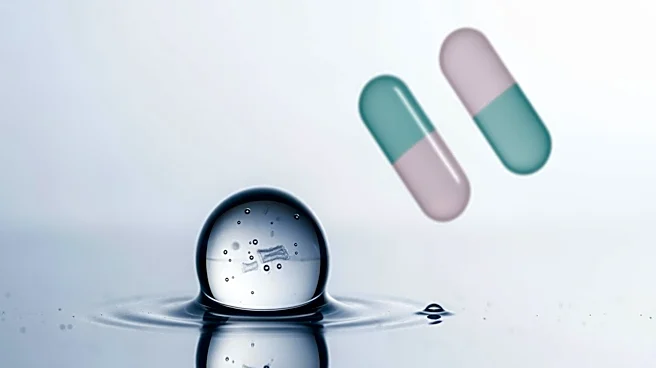
The Environmental Protection Agency (EPA) has proposed including microplastics and pharmaceuticals on its list of contaminants in drinking water. This marks the first time these substances are being considered for regulation under the Safe Drinking Water
Act. The proposal is part of the EPA's draft of the sixth Contaminant Candidate List, which identifies unregulated contaminants that may require future regulation. The move responds to public concerns about the presence of these substances in drinking water and aims to address potential health risks. The proposal opens a 60-day public comment period, with the EPA expecting to finalize the list by mid-November.
Why It's Important?
The inclusion of microplastics and pharmaceuticals on the EPA's list is a critical step towards potentially regulating these substances in drinking water. It reflects growing awareness and concern about the environmental and health impacts of plastic pollution and pharmaceutical residues. If regulations are developed, water utilities may need to implement new treatment processes to remove these contaminants, impacting operational costs and public health outcomes. The proposal also highlights the need for comprehensive research and monitoring to understand the prevalence and effects of these substances in water supplies.
What's Next?
Following the public comment period, the EPA will review feedback and decide whether to proceed with regulatory actions. The agency's decision could lead to the establishment of new limits for microplastics and pharmaceuticals in drinking water, influencing water treatment standards nationwide. Environmental groups and industry stakeholders are likely to engage in discussions and advocacy efforts during this period. The outcome may also affect future policy decisions related to plastic production and pharmaceutical waste management, as well as international efforts to address plastic pollution.