










What's Happening?
The Federal Communications Commission (FCC) has approved the launch of a sun-reflecting satellite by the space tech company Reflect Orbital. The satellite, named Eärendil-1, is designed to reflect sunlight onto Earth, potentially lighting up areas that
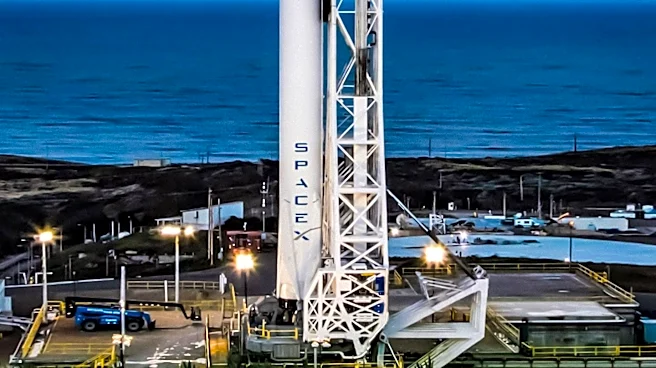
are in darkness. The satellite will be launched on a SpaceX Falcon 9 later in 2026. It features a large mirror that can illuminate a 3-mile radius, aimed at reducing reliance on fossil fuels by powering solar panels at night. However, the project has faced significant opposition from the scientific community, with concerns about light pollution and its impact on astronomical observations.
Why It's Important?
The approval of Eärendil-1 represents a significant development in space-based energy solutions, potentially offering a new method to address energy demands. However, the project raises important environmental and scientific concerns. The introduction of artificial light at night could disrupt ecosystems and interfere with astronomical research. The potential deployment of 50,000 such satellites could exacerbate these issues, leading to increased light pollution and challenges for observatories worldwide. The debate highlights the need for regulatory frameworks to balance technological innovation with environmental and scientific preservation.
What's Next?
Reflect Orbital plans to launch the Eärendil-1 satellite as a test, with the possibility of deploying a larger constellation if successful. The company has expressed willingness to work with scientists to mitigate potential impacts. However, the scientific community remains skeptical, emphasizing the need for comprehensive studies to assess the environmental and observational consequences. The outcome of this test could influence future regulatory decisions and the development of guidelines for space-based lighting technologies.