






What's Happening?
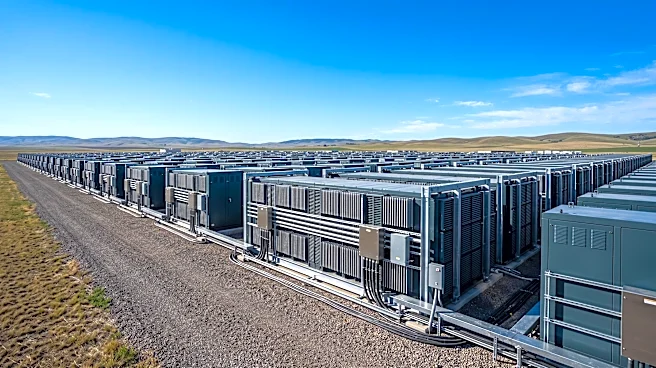
Florida Power & Light Company (FPL) has announced the commissioning of its Lansing Smith Battery Energy Storage System in Bay County. This new facility marks a significant milestone as it is now FPL's largest battery energy storage system by energy storage capacity.
The standalone, grid-connected system is capable of supplying 400 megawatts (MW) of electricity for up to four hours, providing 1,600 megawatt-hours (MWh) of stored energy. This capacity is sufficient to power approximately 300,000 homes during a four-hour period. The project was developed on land that previously served as a coal storage area, transforming the site to support Florida's growing energy needs and enhance grid reliability across Northwest Florida. According to Tim Oliver, vice president of FPL development, this investment in cutting-edge battery storage technology strengthens reliability and increases resiliency.
Why It's Important?
The commissioning of the Lansing Smith Battery Energy Storage System is crucial for enhancing the reliability and resiliency of Florida's electric grid. By integrating advanced battery storage technology, FPL can store electricity when production costs are lowest and discharge it during peak demand, optimizing the use of nuclear, natural gas, and solar resources. This approach helps to reduce the need for fuel to generate electricity, contributing to lower costs for customers. The facility provides additional flexibility to the grid, supporting Florida's expanding communities and ensuring a stable power supply. This project also signifies a strategic shift from traditional energy sources, as it repurposes a former coal storage area for clean energy infrastructure, aligning with broader energy diversification goals.
What's Next?
The successful operation of the Lansing Smith Battery Energy Storage System is expected to further integrate battery storage into FPL's diverse energy mix. FPL's total battery energy storage capacity now stands at nearly 2 GW across its system, indicating a continued commitment to expanding such infrastructure. Future developments may include the deployment of more standalone and hybrid battery energy storage systems to further increase grid flexibility and resiliency. The company will likely continue to monitor the performance of this large-scale system to inform future investments and operational strategies. This project also sets a precedent for other utilities looking to repurpose industrial sites for advanced energy solutions, potentially leading to similar initiatives across the U.S.
Beyond the Headlines
This development highlights a broader trend in the U.S. energy sector towards decentralization and increased reliance on renewable energy sources supported by robust storage solutions. The transformation of a former coal storage site into a state-of-the-art battery energy storage system symbolizes a significant shift in energy policy and investment away from fossil fuels. This move not only addresses immediate energy demands but also contributes to long-term environmental sustainability by reducing carbon footprints. The project underscores the importance of technological innovation in achieving energy independence and grid stability, potentially influencing regulatory frameworks and investment incentives for similar projects nationwide. It also showcases how utilities are adapting to evolving energy landscapes, balancing economic efficiency with environmental responsibility.