








What's Happening?
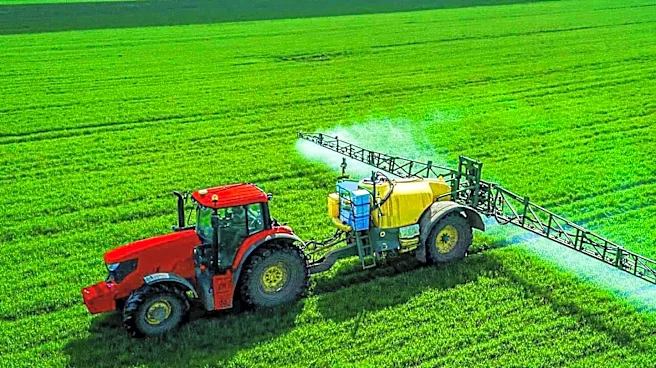
Syngenta, a Swiss agrochemical company, has announced it will stop selling the herbicide paraquat in Australia due to new regulatory constraints. Paraquat, linked to Parkinson's disease, is banned in over 70 countries and has been under scrutiny for its
health risks. The Australian Pesticides and Veterinary Medicines Authority recently imposed stricter regulations on paraquat, including phasing out backpack sprayers and requiring additional protective equipment for users. These changes have made the product commercially unviable for Syngenta, leading to its decision to withdraw from the Australian market. Despite the ban, generic versions of paraquat will still be available for local farmers.
Why It's Important?
The withdrawal of paraquat from the Australian market reflects growing global concerns about the health impacts of certain agrochemicals. This decision could influence regulatory practices in other countries, potentially leading to broader restrictions on harmful chemicals. For Australian farmers, the loss of a widely used herbicide raises concerns about managing herbicide resistance and maintaining crop yields. The move also highlights the tension between commercial viability and regulatory compliance, as companies must navigate increasingly stringent safety standards.
What's Next?
Syngenta will manage the phase-out of paraquat in alignment with regulatory timelines, while farmers may need to seek alternative solutions for weed management. The decision could prompt further research into safer herbicide options and encourage innovation in agricultural practices. Additionally, the regulatory landscape for agrochemicals may continue to evolve, with potential implications for international trade and environmental policies.