




What's Happening?
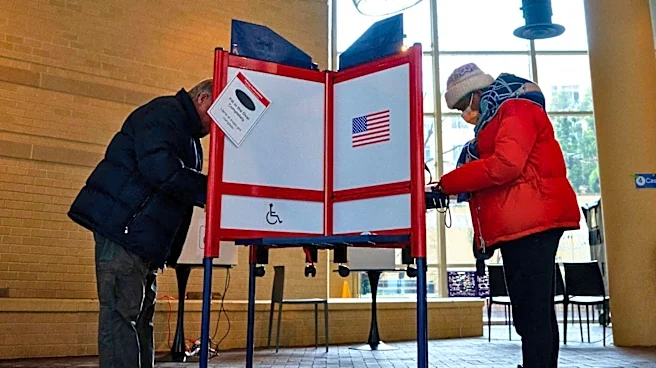
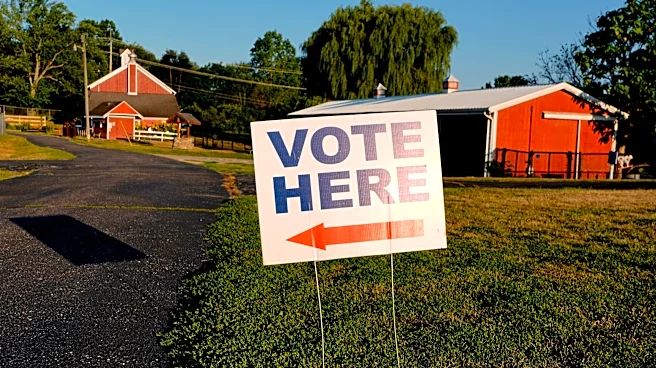
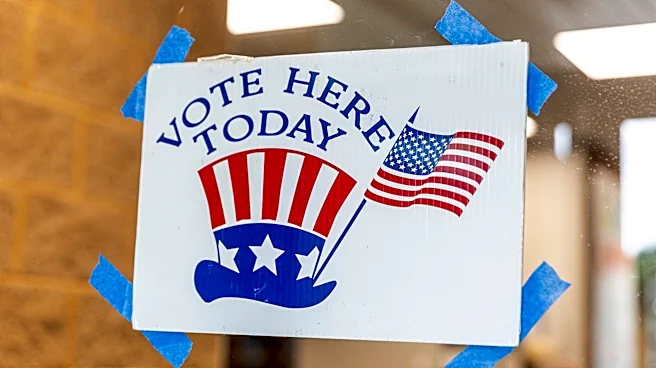
In a closely contested election, Oakland County voters are narrowly rejecting a proposed 1.5-mill countywide school tax increase. As of the latest count, with about 91% of precincts reporting, the measure is trailing with 51% voting against and 49% in favor.
The proposed tax increase aims to generate an additional $125 million annually for Oakland schools, providing approximately $781 per student. The funds are intended to help schools compete with neighboring counties that have similar enhancement millages. However, the proposal has faced criticism due to the lack of specific spending requirements, leading to concerns about accountability and transparency. The millage would last for six years, costing homeowners with a taxable property value of $300,000 an estimated $450 annually.
Why It's Important?
The outcome of this vote is significant as it highlights the ongoing debate over school funding and taxation in Michigan. The proposed millage is seen as a crucial step for Oakland County schools to remain competitive in attracting quality teachers and addressing inflationary pressures. However, the lack of earmarked spending has raised concerns among voters about the effective use of funds. The decision also reflects broader economic concerns, as many residents are wary of increasing their tax burden without clear benefits. The rejection of the millage could impact the quality of education and resources available to students, potentially widening the gap between districts with and without enhancement millages.
What's Next?
If the current trend holds and the millage is ultimately rejected, Oakland County schools will need to explore alternative funding strategies to address their financial needs. Educational leaders may need to engage with the community to better communicate the necessity and intended use of additional funds. Future proposals might require more detailed plans to gain voter approval. Additionally, the outcome could influence similar tax proposals in other counties, as stakeholders assess the viability and public support for such measures.