






What's Happening?
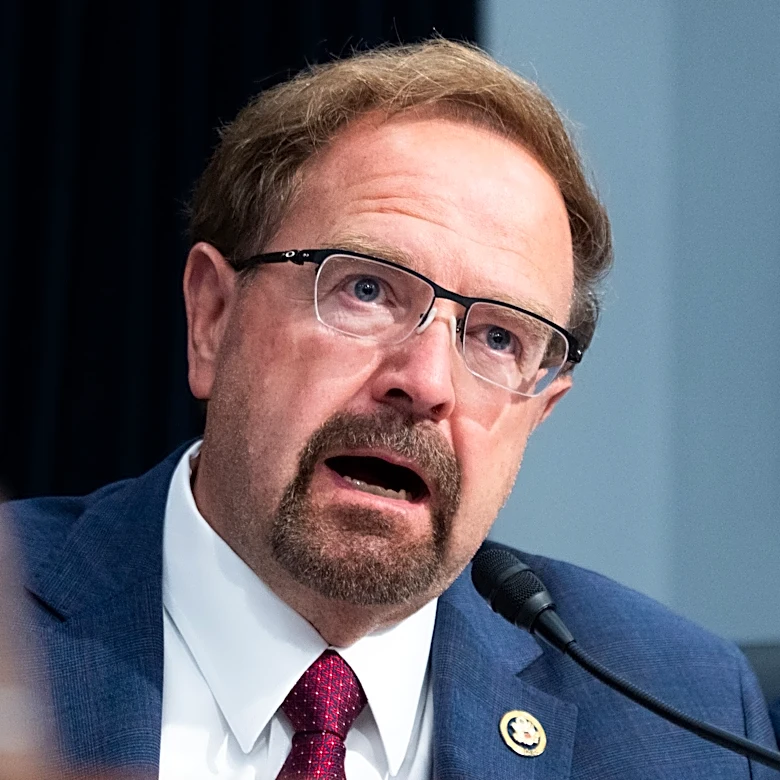
Republican Florida Representative Anna Paulina Luna has introduced a bill aimed at amending the Foreign Agents Registration Act (FARA) of 1938. The proposed legislation seeks to include "social media influencers" under the definition of a "publicity agent,"
thereby requiring them to disclose when they are acting on behalf of foreign interests. Representative Luna stated that the bill, titled the Foreign Propaganda Disclosure Act, is intended to ensure Americans are aware when online conversations are shaped by foreign entities and to prevent America's public square from being "for sale." The bill has bipartisan support, with Democratic Representatives Jared Moskowitz of Florida and Vicente Gonzalez of Texas, and Republican Representative Derrick Van Orden of Wisconsin, backing the initiative.
Why It's Important?
This bill is significant because it addresses the growing concern over foreign influence and disinformation campaigns conducted through social media platforms. By requiring disclosure from foreign-paid influencers, the legislation aims to increase transparency in the digital information landscape. This could empower American citizens to critically evaluate the information they encounter online, understanding potential biases or foreign agendas. The bipartisan support for the bill underscores a shared concern across the political spectrum regarding the integrity of public discourse and national security in the digital age. If passed, it could set a precedent for how social media activities are regulated, potentially impacting the operations of foreign governments and their agents who seek to influence U.S. public opinion, policies, or elections.
What's Next?
The Foreign Propaganda Disclosure Act will now proceed through the legislative process, requiring committee review and votes in both the House and Senate. Given its bipartisan support, the bill may have a stronger chance of advancing. If enacted, it would necessitate the development of clear guidelines for identifying and registering social media influencers who receive foreign funding. This could lead to increased scrutiny of online content and potentially impact how foreign entities conduct influence operations in the U.S. Social media platforms and influencers would need to adapt to new disclosure requirements, potentially altering their content strategies and partnerships. The implementation of this act could also spark further debate on the balance between free speech and national security in the context of foreign influence.
Beyond the Headlines
Beyond its immediate regulatory impact, this bill delves into the complex ethical and legal dimensions of digital influence and information warfare. It highlights the evolving nature of foreign interference, moving beyond traditional lobbying to encompass more subtle and pervasive methods through social media. The legislation implicitly acknowledges that the digital public square is a critical battleground for ideas and narratives, making transparency about foreign involvement crucial for maintaining democratic integrity. This initiative could also spark broader discussions about the responsibilities of social media companies in policing foreign influence on their platforms and the need for a more comprehensive framework to address digital propaganda. It underscores a growing recognition that national security now extends into the realm of information and public perception, necessitating new legislative approaches.