

What's Happening?
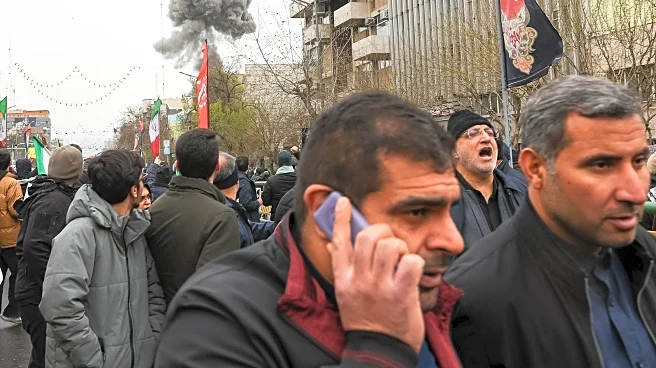
U.S. Defense Secretary Pete Hegseth announced that Iran's new Supreme Leader, Mojtaba Khamenei, has been wounded and is likely disfigured following nearly two weeks of U.S. and Israeli military actions against Iran. This revelation comes amid a series
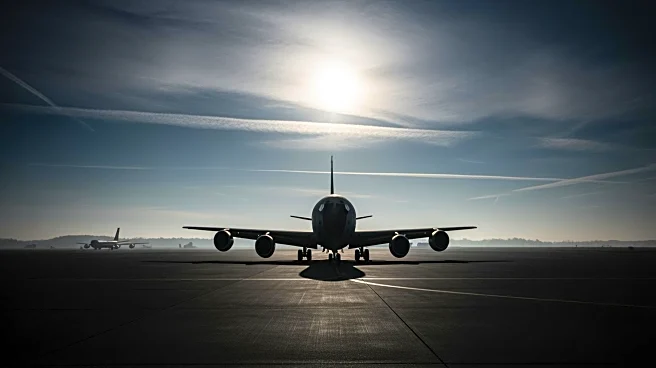
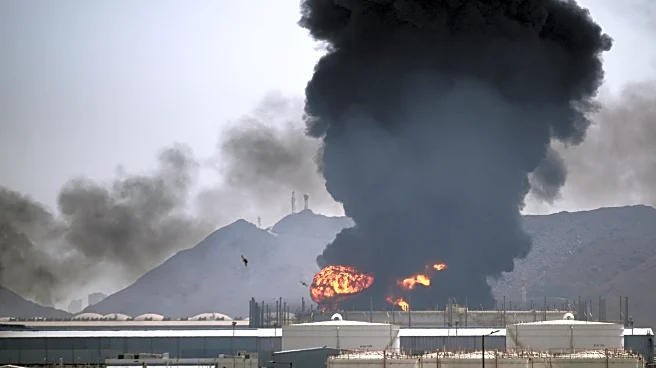
of strikes aimed at crippling Iran's military capabilities, including its missile and drone operations. The conflict has resulted in significant casualties, with reports indicating around 2,000 deaths in Iran due to the bombings. Despite the severity of the situation, Iran's ambassador to Japan, Peyman Saadat, stated that Khamenei's injuries do not impair his ability to lead. The U.S. military has intensified its presence in the region, deploying additional forces and equipment to bolster its operations.
Why It's Important?
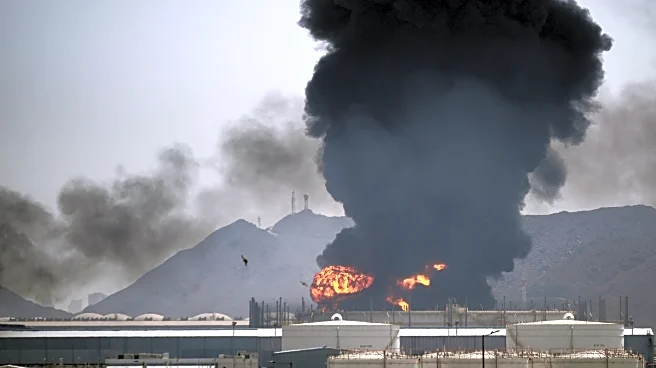
The ongoing conflict between the U.S., Israel, and Iran has significant implications for regional stability and international relations. The wounding of Iran's Supreme Leader could lead to a power vacuum or internal strife within Iran, potentially destabilizing the region further. The U.S. military's increased presence underscores the seriousness of the situation and the potential for escalation. This conflict affects global oil markets, given Iran's strategic position near the Strait of Hormuz, a critical chokepoint for oil transportation. The situation also raises concerns about international humanitarian law, as the U.S. has vowed to show 'no mercy,' a stance that could lead to further scrutiny and criticism from the international community.
What's Next?
The U.S. is expected to continue its military operations in the region, with additional forces and equipment being deployed. The international community will likely monitor the situation closely, with potential diplomatic efforts to de-escalate tensions. Iran's response to the wounding of its leader and the ongoing military actions will be crucial in determining the conflict's trajectory. Neighboring countries may also face pressure to take sides or mediate, given the potential regional implications. The situation remains fluid, with the possibility of further military engagements or diplomatic interventions.
Beyond the Headlines
The conflict highlights the complex geopolitical dynamics in the Middle East, where historical tensions and alliances play a significant role. The U.S.'s approach to the conflict, particularly its military strategy and rhetoric, may influence its relationships with other global powers and regional allies. The humanitarian impact of the conflict, including civilian casualties and displacement, could lead to increased calls for international intervention or aid. Additionally, the situation may affect global energy markets, with potential disruptions in oil supply impacting economies worldwide.