
What's Happening?
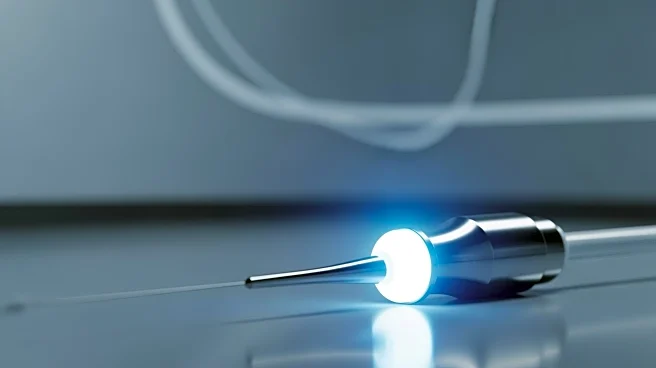
Atraverse Medical, a company specializing in medical devices, has secured FDA 510(k) clearance for its HOTWIRE RF Generator and Fully Integrated Transseptal Access System. This innovative system is designed
to improve left-heart access during medical procedures. The HOTWIRE RF Guidewire, part of the system, has already been used in nearly 2,000 clinical procedures, demonstrating its effectiveness in optimizing transseptal access and streamlining workflows. The system includes features such as impedance-guided technology to minimize unnecessary RF exposure and enhance procedural control. Dr. Devi Nair, a key-opinion leader in cardiac electrophysiology, has conducted initial clinical cases with the system and will present her findings at the upcoming AF Symposium.
Why It's Important?
The FDA clearance of the HOTWIRE system marks a significant advancement in medical technology, particularly in the field of cardiac electrophysiology and structural heart interventions. By providing safer and more precise access to the left atrium, the system addresses longstanding challenges associated with needle-based access methods. This development is expected to improve patient outcomes and procedural efficiency, offering clinicians a more controlled and accurate tool for heart interventions. The clearance also opens new commercial opportunities for Atraverse Medical, potentially impacting the broader medical device industry by setting a new standard for transseptal access technology.
What's Next?
Following the FDA clearance, Atraverse Medical plans to expand the use of the HOTWIRE system in clinical settings, with Dr. Devi Nair presenting data at the AF Symposium. The company aims to leverage this milestone to enhance its market presence and drive adoption among healthcare providers. As the system gains traction, it may prompt other medical device companies to innovate and develop similar technologies, potentially leading to further advancements in cardiac intervention methods. Stakeholders in the healthcare industry will likely monitor the system's performance and its impact on procedural workflows and patient care.
Beyond the Headlines
The introduction of the HOTWIRE system may have broader implications for the medical field, including ethical considerations related to the use of advanced technology in patient care. The system's ability to minimize RF exposure and enhance procedural control could lead to discussions about the balance between technological innovation and patient safety. Additionally, the system's success may influence regulatory approaches to medical device approvals, encouraging more streamlined processes for technologies that demonstrate significant clinical benefits.