
What's Happening?
Sudan is grappling with a severe child malnutrition crisis exacerbated by ongoing civil war, mass displacement, severe drought, and inadequate humanitarian funding. The Integrated Food Security Phase Classification
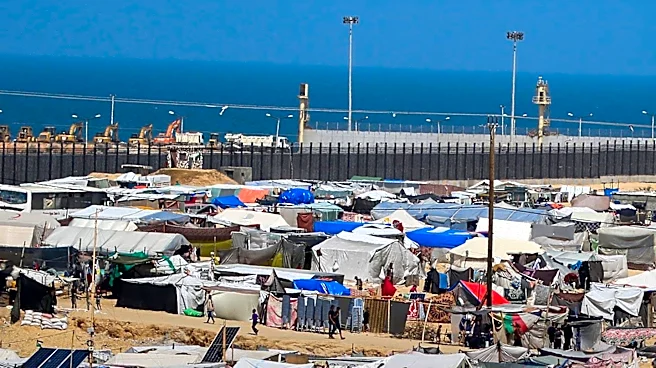
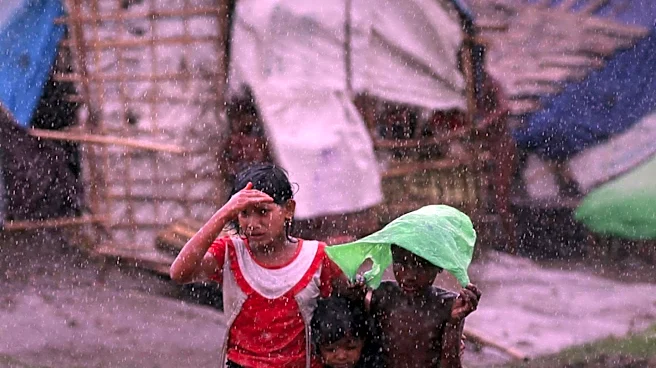
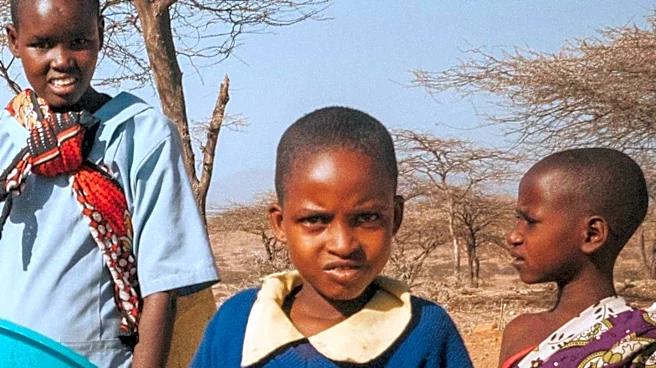
(IPC) estimates that 825,000 children under five will suffer from severe acute malnutrition in 2026, a 7 percent increase from 2025. Healthcare facilities, such as Port Sudan Teaching Hospital, are overwhelmed, with malnutrition units experiencing overcrowding, sometimes with three children sharing a single bed. This increases the risk of disease transmission among vulnerable patients. The situation is particularly dire in regions like Darfur and Blue Nile State, where conflict has intensified, leading to a surge in malnutrition cases among displaced children. The El Nino climate phenomenon has also contributed to reduced rainfall and poor vegetation growth, further threatening harvests and increasing food prices.
Why It's Important?
The escalating child malnutrition crisis in Sudan represents a profound humanitarian catastrophe with long-term consequences for the nation's future. Malnutrition in early childhood can lead to irreversible physical and cognitive impairments, affecting an entire generation's health, education, and economic potential. The strain on healthcare systems, characterized by overcrowding and limited resources, compromises the ability to provide adequate care, leading to higher mortality rates and the spread of infectious diseases. The confluence of conflict and climate change creates a complex emergency, demonstrating how environmental factors can amplify the devastating effects of war. This situation underscores the urgent need for international intervention, not only in terms of humanitarian aid but also in addressing the root causes of conflict and climate vulnerability.
What's Next?
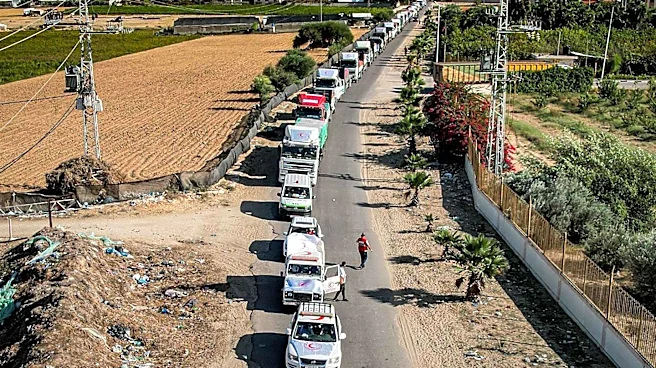
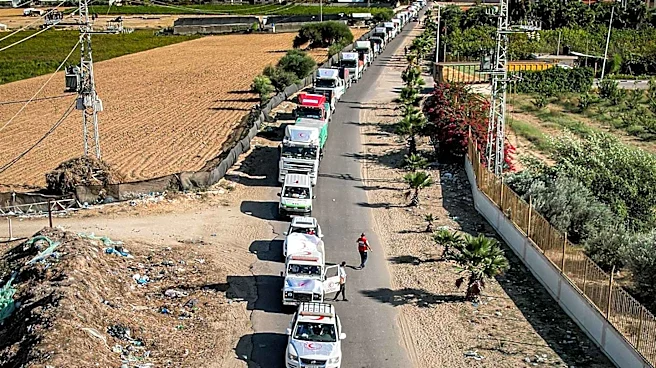
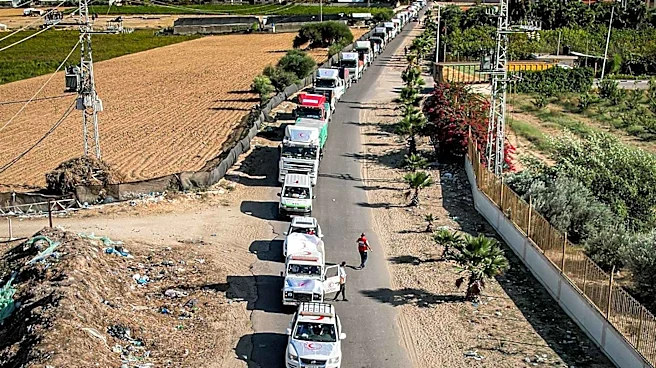
The immediate future for affected children in Sudan remains precarious, with warnings of famine across parts of Greater Darfur and Greater Kordofan. Humanitarian organizations like UNICEF and WHO are providing therapeutic milk and nutritional supplies, but intravenous fluids and medication remain a significant financial burden for many families. Medical staff are also working to provide basic nutrition education, though reaching rural communities is challenging. The onset of winter is expected to worsen malnutrition cases due to increased disease spread. Continued international funding and coordinated efforts are crucial to prevent further deterioration of the crisis, including supporting local healthcare infrastructure, ensuring safe access for aid delivery, and addressing the underlying conflict and climate-induced food insecurity.
Beyond the Headlines
The crisis in Sudan highlights the devastating interplay between conflict, climate change, and public health, creating a cycle of vulnerability that disproportionately affects the most defenseless. The lack of adequate nutrition among pregnant women, driven by displacement and economic hardship, further perpetuates this cycle, putting unborn babies at risk. The situation also exposes systemic issues in global humanitarian response, including funding shortfalls and challenges in reaching affected populations. Beyond immediate aid, there is a critical need for long-term strategies that integrate peacebuilding, climate adaptation, and sustainable development to build resilience in conflict-affected and climate-vulnerable regions. The crisis serves as a stark reminder of the interconnectedness of global challenges and the moral imperative for collective action.