







What's Happening?
The National Oceanic and Atmospheric Administration (NOAA) has officially declared the onset of El Niño, a climate pattern characterized by warming ocean temperatures in the central Pacific. This declaration follows several months of sustained sea surface
temperatures exceeding 0.5°C above average, meeting the criteria for El Niño conditions. The phenomenon is known to significantly alter weather patterns across North America, affecting atmospheric circulation by redistributing heat and moisture. This shift impacts jet streams and storm tracks, leading to varied weather outcomes across the continent. Typical El Niño effects include warmer winters in the northern U.S. and Canada, increased precipitation in the southern U.S., and drier conditions in the northern U.S. and western Canada. These changes pose both risks and opportunities for agriculture, with potential impacts on crop production, soil moisture, and market volatility.
Why It's Important?
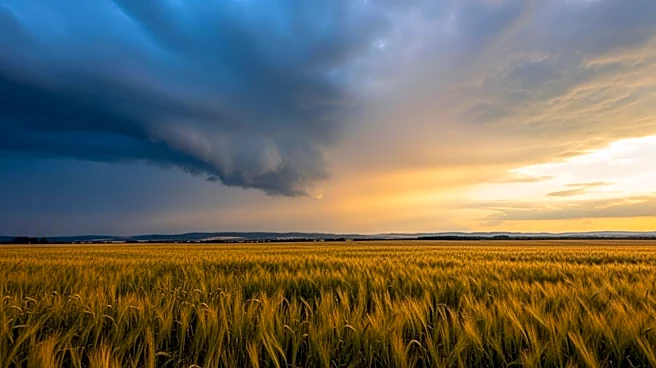
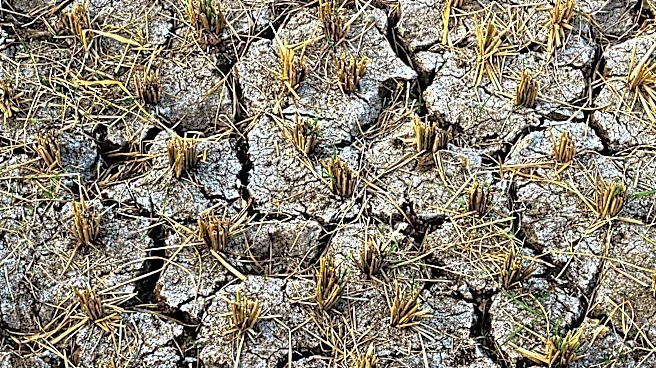
El Niño's impact on North American agriculture is significant due to its potential to disrupt crop production and influence commodity markets. The altered weather patterns can lead to increased variability in growing conditions, affecting key agricultural regions differently. For instance, the Northern Plains and Canadian Prairies may experience reduced soil moisture and increased drought risk, impacting crops like wheat and barley. Conversely, the southern U.S. might benefit from improved soil moisture but face challenges like flooding and crop disease. These shifts can lead to price volatility in grain and oilseed markets, affecting feed availability for livestock and altering demand for fertilizers and irrigation. The broader implications include potential disruptions in global supply chains and pricing, as El Niño affects multiple agricultural regions simultaneously.
What's Next?
NOAA forecasts suggest that the current El Niño could strengthen through late 2026, with a 63% probability of reaching a very strong level by winter. Stronger El Niño events tend to amplify weather extremes, increasing the likelihood of drought, flooding, and heat stress across agricultural regions. The most significant impacts are expected to emerge later in 2026 and into early 2027, when El Niño typically reaches peak strength. Farmers and agricultural stakeholders will need to closely monitor weather trends and adapt their strategies to manage the increased variability. This may involve adjusting planting schedules, managing water resources, and preparing for potential market fluctuations.