



What's Happening?
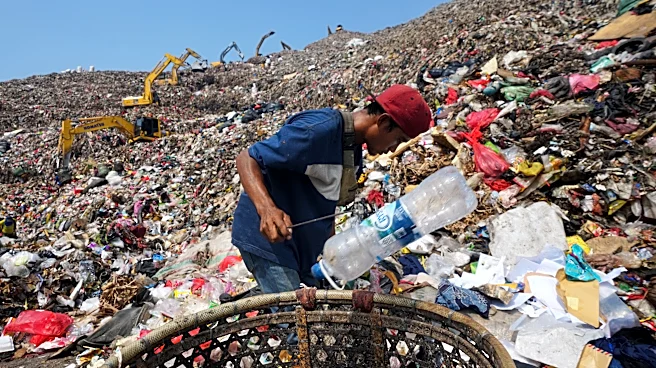
Indonesia is set to transform its largest landfill, Bantargebang, from an open dumping site to a controlled landfill system as part of a national waste management plan. This initiative aims to improve environmental health, reduce pollution, and curb methane
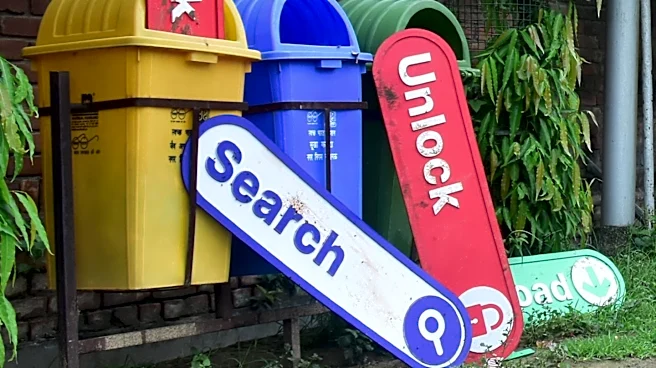
emissions, a significant contributor to global warming. The government plans to shut down open-dumping operations at 343 of Indonesia's 550 disposal sites, transitioning them to systems that only accept non-recyclable waste. Residents are encouraged to separate organic waste and recyclables for processing, a practice not widely adopted in the country.
Why It's Important?
This transformation is crucial for reducing methane emissions, which are responsible for a significant portion of global warming. By improving waste management practices, Indonesia aims to enhance environmental health and contribute to global climate efforts. The initiative also highlights the challenges of transitioning to sustainable waste management systems in developing countries, where infrastructure and public awareness may be lacking. Successful implementation could serve as a model for other nations facing similar environmental challenges.