






What's Happening?
Lowell Township, Michigan, is actively developing a new zoning ordinance specifically designed to regulate data center land use. An advisory committee, comprising township board members, planning commission members, and public representatives, has spent
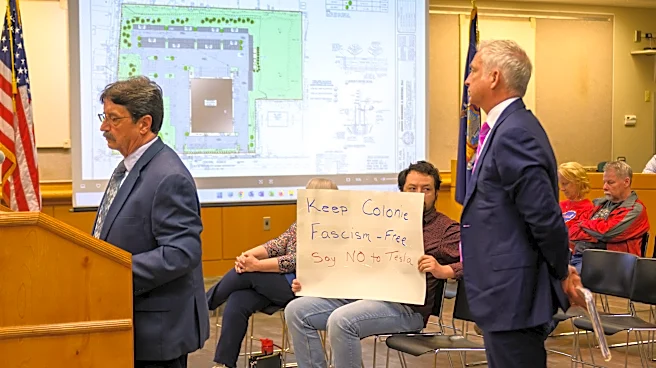
several months drafting the comprehensive document. The initial 27-page draft, presented at a recent Lowell Township Board meeting, outlines extensive application submission requirements across 19 sections. These requirements include detailed project narratives, operational plans emphasizing environmental impact reduction and sustainability, power and water usage plans, hazardous material handling protocols, community impact analyses, and robust fire safety and emergency response plans. The ordinance also mandates a decommissioning and removal plan, requiring financial security from applicants. This initiative comes amidst significant community controversy surrounding a proposed Microsoft data center in the 237-acre Covenant Business Park, which has led to public pushback against township leaders' decisions, including their refusal to implement a six-month moratorium on data centers. Three township leaders are now facing a recall vote next May.
Why It's Important?
This ordinance is a critical development for Lowell Township as it seeks to balance economic development with environmental protection and community well-being. The detailed regulations aim to mitigate potential negative impacts associated with large-scale data centers, such as noise, water consumption, and environmental strain, which have been sources of concern nationwide. By requiring comprehensive plans for operations, environmental compliance, and decommissioning, the township is attempting to safeguard residents and local resources. The controversy surrounding the Microsoft data center highlights a growing national trend where communities grapple with the implications of large technological infrastructure projects. The outcome of this ordinance and the upcoming recall vote could set a precedent for how other municipalities approach regulating data center development, influencing future land use policies and community engagement strategies in similar situations across the U.S. The suspension of negotiations by the Lowell City Council regarding water and sewer agreements further complicates the proposed data center project, underscoring the multifaceted challenges involved.
What's Next?
The draft ordinance is currently in its initial stages, with further updates expected as the township consults with experts and gathers public input. The planning commission will subsequently begin its work on refining the ordinance. This process will likely involve public hearings and opportunities for community members to voice their concerns and suggestions, shaping the final regulatory framework. Concurrently, the political landscape in Lowell Township remains charged, with three township leaders facing a recall vote next May. The outcome of this vote could significantly alter the leadership's approach to data center development and other local issues. The ongoing suspension of water and sewer negotiations between Lowell City Council and Lowell Township also means that the proposed Microsoft data center project faces substantial hurdles, potentially requiring new agreements or alternative solutions before it can proceed. Future developments will depend on the collaborative efforts of the advisory committee, public engagement, and the results of the upcoming recall election.
Beyond the Headlines
The Lowell Township situation reflects a broader societal tension between technological advancement and local community interests. As the demand for digital infrastructure, such as data centers, continues to grow, communities across the U.S. are increasingly confronting the environmental, social, and economic trade-offs. This ordinance represents an attempt to proactively manage these impacts through stringent regulatory measures, moving beyond reactive responses to development proposals. The emphasis on sustainability, environmental impact reduction, and community complaint resolution within the draft ordinance signals a shift towards more responsible and accountable industrial development. Furthermore, the community's organized pushback and the impending recall vote underscore the increasing power of local activism in shaping land use decisions, potentially inspiring other communities to demand greater oversight and protection against large-scale industrial projects. This case could serve as a model for how local governments can empower themselves to negotiate more favorable terms with large corporations, ensuring that technological progress aligns with local values and environmental stewardship.