


What's Happening?
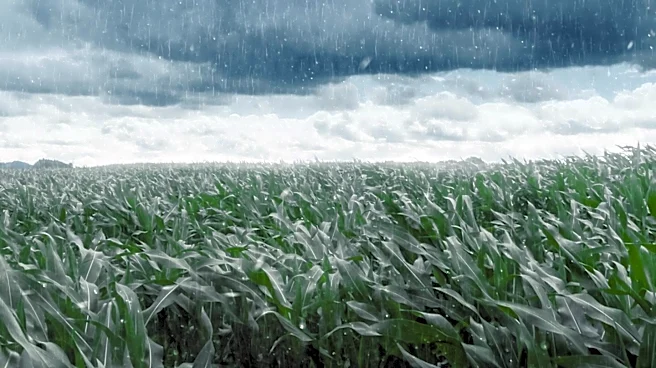
Recent rainfall has alleviated drought conditions in parts of southeast Nebraska, including Lincoln, as per the latest Drought Monitor map. However, central and northeast Nebraska continue to experience abnormally dry conditions, and the Panhandle is
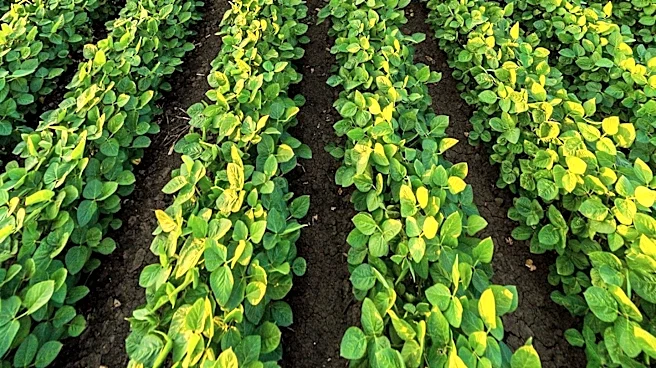
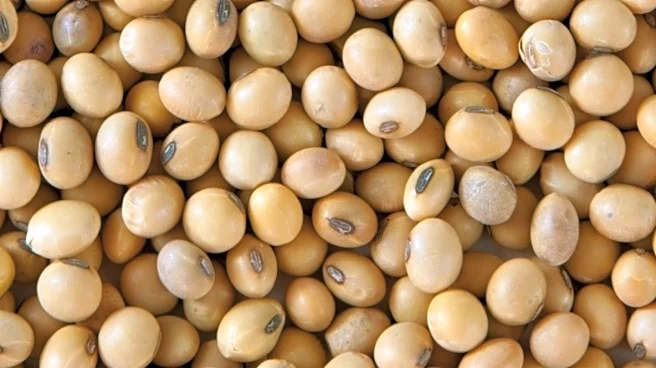
facing severe drought, potentially the worst since the Dust Bowl era. Eric Hunt, an agricultural meteorologist with the University of Nebraska-Lincoln Extension, noted that the Panhandle's issue is not just a lack of rain but the rapid runoff of rainwater before it can be absorbed. Additionally, hot nights are exacerbating the situation by affecting crop yields, as plants expend more energy overnight, potentially leading to lower corn and soybean harvests.
Why It's Important?
The drought conditions in Nebraska have significant implications for agriculture, a critical sector in the state. The improved conditions in southeast Nebraska may offer some relief to farmers in that region, potentially stabilizing crop yields. However, the ongoing severe drought in the Panhandle could lead to substantial economic losses for farmers, affecting local economies dependent on agriculture. The situation underscores the vulnerability of agricultural systems to climate variability and the need for adaptive strategies to manage water resources effectively.
What's Next?
Continued monitoring of weather patterns and drought conditions will be crucial for Nebraska's agricultural stakeholders. Efforts to improve water management and irrigation practices may be necessary to mitigate the impact of future droughts. Additionally, farmers may need to explore crop varieties that are more resilient to heat and drought conditions to sustain agricultural productivity.