






What's Happening?
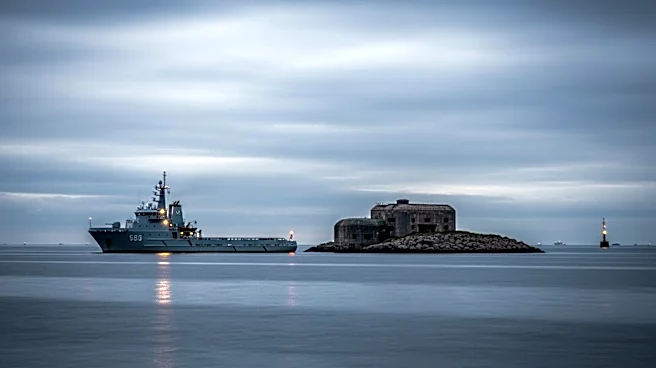
The European Commission has announced its 21st sanctions package against Russia, focusing on maintaining pressure on the country's shadow fleet and energy revenues. For the first time, the EU is targeting vessels that assist Russian tankers, including
those providing bunkering and other services. The package also includes a freeze on the oil price cap adjustment mechanism, maintaining the current price until January 2027. Additionally, the EU plans to impose new export restrictions on items and technology that could be used by the Russian military, and extend financial sanctions to more Russian banks and crypto platforms.
Why It's Important?
These sanctions are part of the EU's ongoing efforts to weaken Russia's economic and military capabilities. By targeting support vessels and extending financial restrictions, the EU aims to disrupt Russia's ability to sustain its military operations and energy exports. The measures could have significant implications for Russia's economy, particularly in the energy sector, which is a major source of revenue. For the EU, the sanctions demonstrate a commitment to maintaining pressure on Russia and supporting Ukraine in its conflict with Russia.
What's Next?
The EU will continue to monitor the situation and may introduce additional measures if necessary. The effectiveness of these sanctions will depend on the EU's ability to enforce them and prevent circumvention. The international community will be watching closely to see how Russia responds and whether these measures will lead to any changes in its foreign policy or military strategy.