





What's Happening?
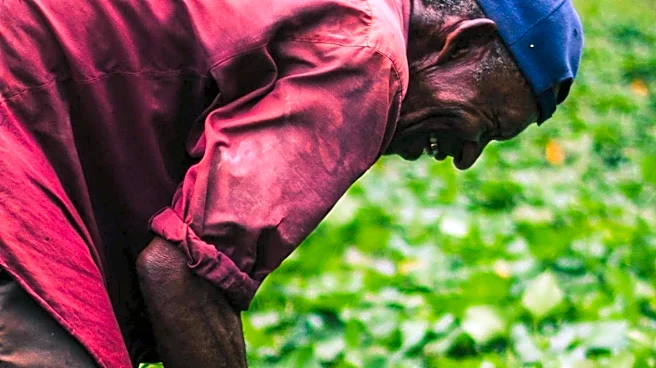
Fairtrade has released an updated version of its Theory of Change, which outlines how the organization aims to drive change for farmers, workers, and their communities. The updated strategy is informed by over 120 studies and feedback from producer networks,
focusing on improving livelihoods, human rights, environmental sustainability, and supply chain resilience. The Theory of Change includes five interconnected pathways that illustrate steps in the change process, such as social inclusion and agency, economic development, and climate and environmental sustainability. Fairtrade's projects, like the 'Ghana Agroforestry for Impact,' work with farmers to implement sustainable practices and improve economic resilience.
Why It's Important?
The updated Theory of Change is crucial for guiding Fairtrade's efforts to create sustainable and resilient livelihoods for farmers and workers. By focusing on interconnected pathways, Fairtrade addresses multiple aspects of sustainability, from economic empowerment to environmental protection. This comprehensive approach ensures that farmers and workers can participate in decision-making processes and influence policies that affect them. The emphasis on social inclusion and agency empowers producers to negotiate their own terms and secure better futures. Fairtrade's strategy not only benefits individual farmers but also contributes to broader systemic changes in global trade practices.