









What's Happening?
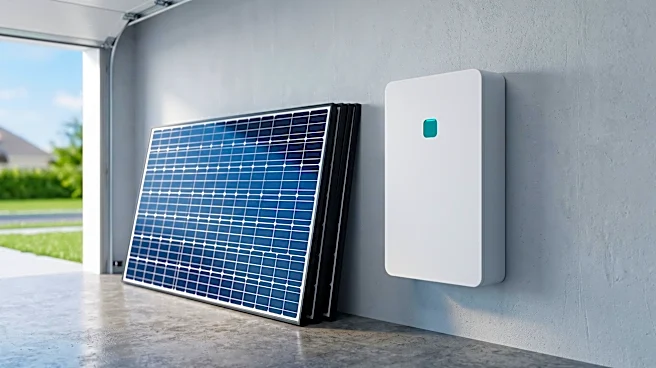
Pasadena Water and Power (PWP) is initiating a program to provide its residential electric customers with access to more affordable solar panels and backup battery storage systems. The utility is currently seeking banking partners to offer loans up to $65,000
with Annual Percentage Rates (APRs) ranging from 0% to 3%. PWP plans to subsidize the interest rate, enabling the selected lender to extend cheaper financing options to residents. These loans would be repayable over a period of 10 to 15 years. The program aims to make solar energy more accessible, particularly for households facing high upfront costs, and PWP intends to prioritize customers already enrolled in its bill-assistance programs for lower-income residents. The utility has issued a Request for Proposals (Project No. 2026-RFP-0399) to identify a suitable lending partner, requiring applicants to have a branch in Los Angeles County and experience in consumer lending and home energy financing. The chosen lender will also be responsible for establishing a secure reporting system for PWP to monitor applications and project progress.
Why It's Important?
This initiative by Pasadena Water and Power is significant for several reasons. Firstly, it directly addresses the financial barrier that often prevents homeowners from adopting solar and battery storage systems, especially the high upfront costs. By offering low-interest or even 0% loans, PWP is making renewable energy solutions more attainable for a broader segment of its customer base, including lower-income residents. This move could lead to increased adoption of solar power, contributing to California's renewable energy goals and reducing reliance on traditional energy sources. Secondly, the inclusion of backup battery storage in the loan program is crucial for enhancing grid resilience and providing homeowners with energy security during outages, a growing concern in California. This can help households maintain power during emergencies and potentially reduce peak energy demand on the grid. Lastly, by encouraging local banks and credit unions to participate, PWP is fostering local economic engagement and ensuring that the financial benefits of the program are circulated within the community.
What's Next?
Pasadena Water and Power will proceed with evaluating proposals from financial institutions in response to its Request for Proposals (Project No. 2026-RFP-0399). Once a lending partner is selected, the low-interest loan program for solar panels and backup battery storage systems will become available to PWP's residential electric customers. Homeowners in Pasadena who are considering solar installations can utilize resources like EnergySage to obtain free installation estimates and compare quotes before applying for these loans. The program's focus on prioritizing customers in bill-assistance programs suggests that PWP will be actively working to ensure equitable access to these financing options. The selected lender will also be tasked with setting up a secure reporting system, indicating that PWP intends to closely monitor the program's implementation and impact. This initiative could serve as a model for other utilities looking to expand access to renewable energy technologies through innovative financing mechanisms.
Beyond the Headlines
The Pasadena Water and Power loan program highlights a broader trend in the energy sector: the increasing role of local utilities in facilitating the transition to renewable energy. Beyond simply providing electricity, utilities are becoming key players in incentivizing and enabling distributed energy resources like rooftop solar and battery storage. This shift has implications for energy policy, as it demonstrates a move towards decentralized energy systems and greater consumer participation in energy generation. Ethically, prioritizing lower-income residents in this program addresses energy equity concerns, ensuring that the benefits of renewable energy are not exclusive to affluent households. Legally, the structure of these loan programs, involving partnerships between public utilities and private financial institutions, could set precedents for future collaborations aimed at public good. Culturally, the widespread adoption of solar and battery storage, driven by such incentives, could further normalize renewable energy as a standard component of modern homes, influencing public perception and accelerating the energy transition.