






What's Happening?
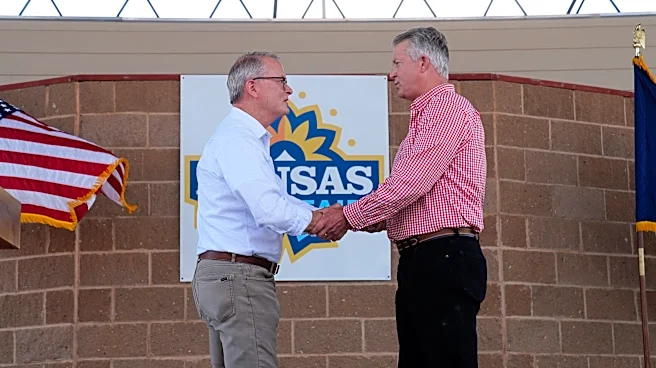
Two nonprofit organizations, Undue Medical Debt and Somos Votantes Education Fund, have announced a large-scale initiative to abolish nearly $34 million in medical debt for 21,490 Kansans. This effort targets individuals with medical debts amounting to 5%
or more of their annual income, or those earning less than four times the federal poverty level, which is approximately $100,000 for a family of three. Eligible Kansans will receive letters starting the week of October 19, notifying them that their debts have been forgiven without requiring any action on their part. This initiative marks the first time in the partnership's history that statewide medical debt relief has been provided for low-income Kansans. The process involves Undue Medical Debt acquiring medical debts in bulk from providers and collection agencies at a reduced cost, with Somos Votantes Education Fund donating to cover these costs. On average, every dollar donated can erase $100 in medical debt, according to the organizations.
Why It's Important?
This medical debt relief initiative is significant as it addresses a critical issue impacting a substantial portion of U.S. households. As of 2024, 36% of U.S. households carried medical debt, and healthcare costs remain a top financial concern for many, with six in ten people worried about affording healthcare. The program in Kansas aims to alleviate financial strain for thousands of families, potentially allowing them to re-engage with the healthcare system and prioritize their health without the fear of accumulating further debt. The issue of medical debt has also become a political hot topic in Kansas, particularly after reports of aggressive collection actions, including lawsuits and arrests, against patients for medical debt. This initiative could serve as a model for other states grappling with similar challenges, highlighting the potential for nonprofit partnerships to provide substantial economic relief and influence public discourse on healthcare affordability.
What's Next?
Eligible Kansans will begin receiving notification letters about their debt forgiveness starting the week of October 19. The success of this statewide initiative in Kansas could pave the way for similar programs in other states, as additional relief efforts are planned for the coming year. The organizations involved will likely monitor the long-term impact on the recipients' financial well-being and their re-engagement with healthcare services. This program may also intensify the ongoing political debate surrounding medical debt and healthcare affordability, potentially prompting lawmakers to consider broader policy solutions. The focus will be on whether such initiatives can lead to sustainable changes in how medical debt is managed and prevented in the U.S.
Beyond the Headlines
The initiative underscores a deeper systemic problem within the U.S. healthcare system, where medical expenses can lead to significant financial hardship, even for those with insurance. The fact that nonprofits are stepping in to erase debt highlights the gaps in current healthcare policies and the economic vulnerabilities faced by many Americans. This effort also brings to light the ethical considerations surrounding medical debt collection practices, especially those that involve legal action against patients. By removing this burden, the program not only offers immediate financial relief but also aims to restore trust in the healthcare system for those who may have avoided necessary care due to cost concerns. It challenges the perception of medical debt as a personal failing, reframing it as a symptom of a broader societal issue that requires collective solutions.