










What's Happening?
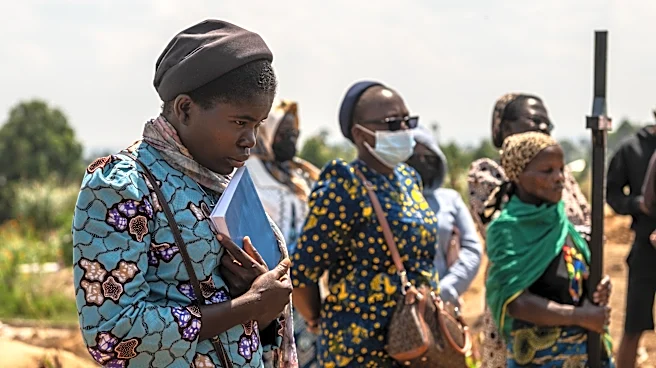
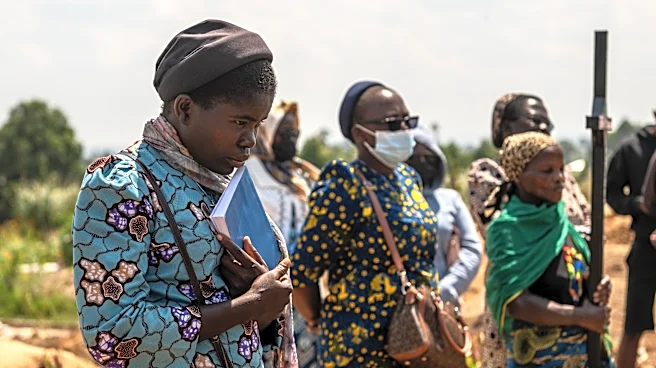
The Africa Centers for Disease Control and Prevention (Africa CDC) has called for increased self-funding from African nations to combat the ongoing Ebola outbreak in Congo and Uganda. The outbreak, which has resulted in over 200 deaths from 894 confirmed
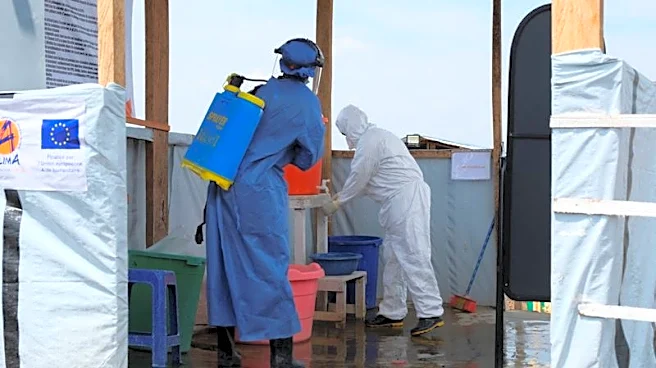
cases, highlights the continent's reliance on foreign aid for health crises. Dr. Jean Kaseya, Director-General of Africa CDC, emphasized the need for Africa to develop its own vaccines and health solutions, noting that if the outbreak were in Europe or the U.S., a vaccine would likely already be available. The current outbreak is exacerbated by the lack of approved vaccines for the Bundibugyo virus, unlike the more common Zaire virus. Efforts to trace and monitor contacts are ongoing, with over 35,000 individuals needing follow-up.
Why It's Important?
The call for self-reliance in health funding is crucial for Africa's long-term health security. The continent's dependency on external aid makes it vulnerable to delays in response and vaccine development. By investing in local vaccine production and health infrastructure, African nations can better manage outbreaks and reduce mortality rates. This shift could also foster economic growth by creating jobs in the health sector and reducing the economic impact of health crises. The establishment of an African Epidemic Fund, with pledges totaling $80 million, marks a step towards this goal, but significant challenges remain in achieving vaccine self-sufficiency.
What's Next?
South Africa's President Cyril Ramaphosa is set to visit the affected regions to support fundraising efforts. The Africa CDC plans to accelerate contact tracing and monitoring to control the outbreak. However, the development of a vaccine by the end of the year remains uncertain. The success of these efforts will depend on the continued mobilization of resources and political will from African governments to prioritize health funding.