






What's Happening?
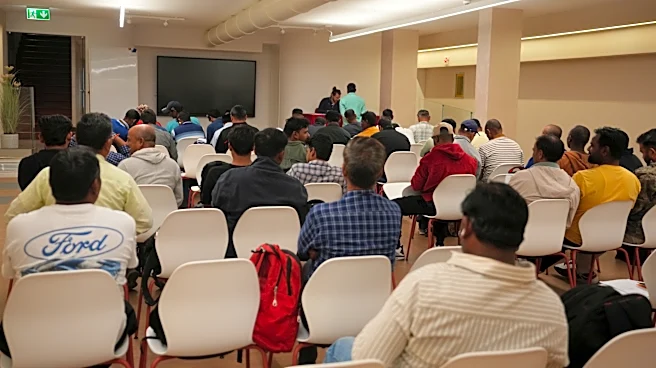
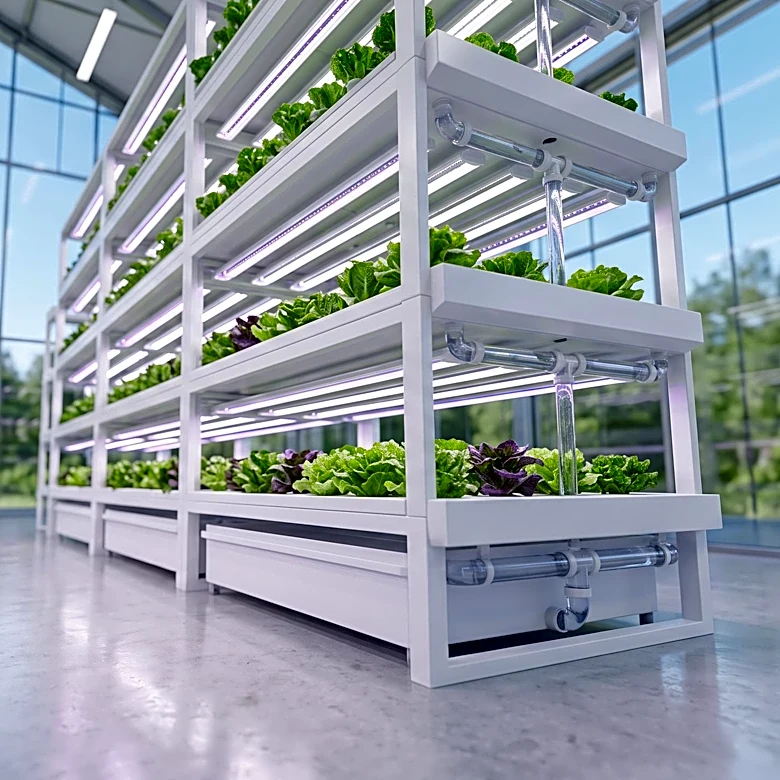
A recent session, sponsored by CIHEAM Bari and held during the World Farmers Markets Coalition’s Fourth General Assembly in Nairobi, focused on how cities can utilize local food systems to bolster food security, resilience, and sustainable territorial
development. The discussion brought together international organizations and local government representatives from Africa and Europe to explore the strategic role of local food systems. Experts highlighted that local food systems, which integrate production, markets, consumption, natural resources, communities, and institutions, are crucial for strengthening territories. The session emphasized that 'local' refers to a strategic, place-based approach that understands food movement within a territory and fosters collaboration among various actors. Examples from cities like Cagliari, Italy; Brazzaville, Republic of Congo; and Kisumu, Kenya, showcased diverse approaches to integrating food into strategic planning and local development. The event also formed part of the participatory process leading up to the UN Food Systems Summit +6 in 2027, aiming to incorporate local experiences into broader international conversations about food security and food-system transformation.
Why It's Important?
The emphasis on local food systems is critical for enhancing food security by creating more resilient and self-sufficient communities. By strengthening connections between urban and rural areas, these systems can ensure a more stable food supply, especially in the face of global disruptions or climate challenges. Economically, local food systems support local income, employment, and short supply chains, benefiting producers and consumers alike. Socially and culturally, they foster community cohesion and preserve local food identities. Environmentally, they contribute to biodiversity conservation, better natural resource management, and reduced food waste. This approach also promotes participatory governance, giving local actors a voice in shaping their food systems. For the U.S., adopting similar strategies could lead to more robust regional economies, reduced reliance on distant supply chains, and improved public health outcomes through greater access to fresh, locally sourced foods. It also offers a model for addressing food deserts and promoting sustainable agricultural practices within and around urban centers.
What's Next?
The insights gained from this session will contribute to the ongoing participatory process for the UN Food Systems Summit +6 in 2027, aiming to integrate local experiences into global food security strategies. The launch of a Memorandum of Understanding between WorldFMC and the Municipality of Brazzaville signifies a move towards concrete partnerships and shared ambitions in building food-secure territories. Cities are expected to continue experimenting with different approaches, with an increased focus on international cooperation, peer exchange, and knowledge platforms to learn from each other's successes. This collaborative effort will help cities move from individual pilot projects to broader systemic changes in their food systems. Future developments will likely involve more integrated territorial planning that connects urban and rural areas, further investment in farmers' markets, and the establishment of multi-actor platforms like food councils to facilitate shared decision-making and coordinated action among local authorities, producers, and civil society.
Beyond the Headlines
The shift towards strengthening local food systems represents a deeper recognition that food security is not solely a global or national issue, but one deeply rooted in local contexts and community engagement. This approach challenges the conventional, often centralized, food supply models by advocating for decentralized, community-led solutions. It highlights the ethical imperative of ensuring equitable access to nutritious food for all, moving beyond mere caloric intake to focus on the multidimensional value that food systems can create—economic, social, cultural, and environmental. The emphasis on participatory governance also underscores a democratic ideal, empowering local citizens and producers to shape policies that directly affect their well-being. This movement could lead to a re-evaluation of urban planning to better integrate food production and distribution, fostering a more symbiotic relationship between cities and their rural hinterlands. Ultimately, it suggests a long-term societal shift towards valuing resilience, sustainability, and community self-determination in addressing fundamental needs like food.