
What's Happening?
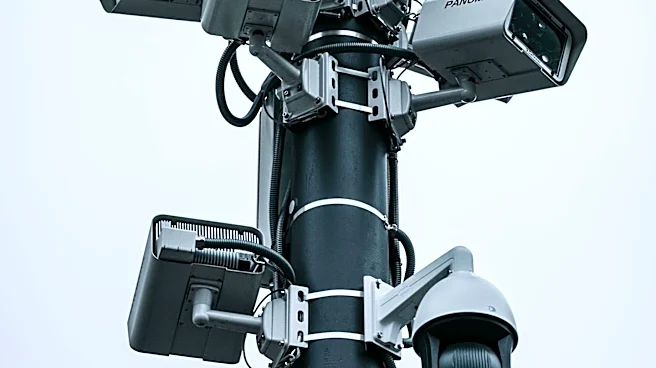
The proliferation of surveillance technology, including automated license plate readers (ALPRs) and other camera systems, is expanding across Maine municipalities and private businesses at a rate that
is outpacing existing state privacy laws. While Maine has regulations prohibiting private companies from operating ALPRs, banning facial recognition by law enforcement, and requiring employer notification for workplace surveillance, newer technologies have created legal gray areas. Public records indicate at least 18 Maine communities currently use or have used ALPRs, with Lewiston having the largest deployment of 14 Flock cameras. Police departments assert these cameras aid in locating suspects, stolen vehicles, and missing persons, with data typically deleted after 21 days and searches tied to active investigations. However, civil liberties advocates warn that residents are often not adequately informed or consulted before installation, and sophisticated surveillance systems could undermine constitutional protections against unreasonable searches.
Why It's Important?
The rapid adoption of AI-powered surveillance technology in Maine presents a critical challenge to individual privacy and civil liberties. While law enforcement cites public safety benefits, the lack of comprehensive legal frameworks creates a potential for misuse and erosion of constitutional rights. The concern is not just about the technology itself, but the absence of public discourse and clear policy guidelines before implementation. This situation could lead to a 'surveillance creep,' where technologies initially deployed for specific purposes gradually expand in scope and application without adequate public oversight or legal checks. The potential for mistaken identity, wrongful detentions, or even tracking individuals for non-criminal activities, as seen in other states, poses a significant threat to the trust between citizens and governing bodies, impacting the fundamental balance between security and freedom.
What's Next?
The growing concerns surrounding AI surveillance technology in Maine are likely to prompt increased calls for legislative action and clearer policy development. Civil liberties advocates will continue to push for greater transparency, public involvement in decision-making, and robust legal protections to address the gray areas in existing privacy laws. The Maine Chiefs of Police Association President, Scott Stewart, has acknowledged the need for clear policies to balance public safety and individual rights, suggesting that police departments may begin to develop more standardized guidelines. This issue could become a focal point for future legislative sessions, potentially leading to new laws or amendments that specifically address the use of ALPRs, AI cameras, and other advanced surveillance tools by both public and private entities in Maine. Public education and community engagement will also be crucial in shaping the future regulatory landscape.
Beyond the Headlines
The debate over AI surveillance technology in Maine reflects a broader national tension between technological advancement, public safety, and individual privacy rights. Beyond the immediate legal and policy implications, this issue delves into ethical considerations about the nature of a surveilled society. The argument that these systems are 'limited tools' versus 'constant surveillance' highlights a fundamental disagreement on their impact. The potential for these technologies to create a chilling effect on free expression or assembly, or to disproportionately affect certain communities, raises profound questions about social equity and justice. As AI capabilities advance, the challenge for Maine, and indeed the nation, will be to harness the benefits of technology for public good while rigorously safeguarding the foundational principles of privacy and constitutional protections in an increasingly data-driven world.