




What's Happening?
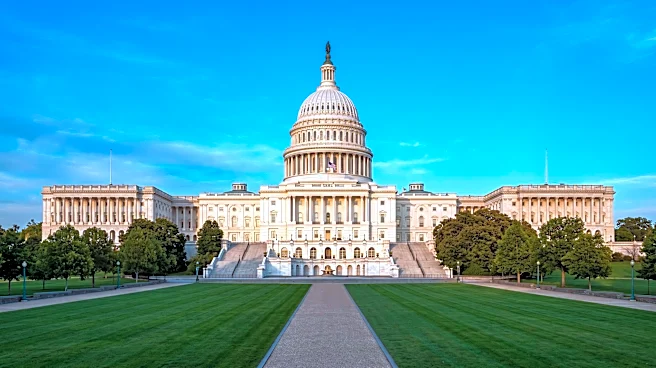
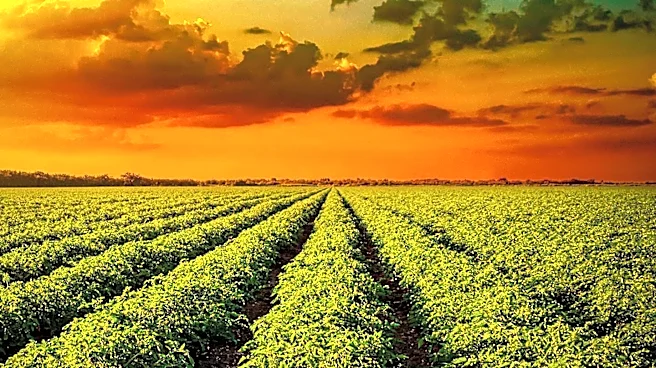
Senator Mike Rounds has introduced the bipartisan RANCH Act, a legislative proposal aimed at providing agricultural producers with an option to convert marginal cropland back into perennial grassland. This initiative would allow landowners to continue
using the restored land for livestock production, distinguishing it from programs that idle farmland. Under the RANCH Act, producers would enter into 10- to 15-year contracts, receiving annual payments linked to county cropland rental rates and assistance for establishing grass. The program would prioritize highly erodible and poorly performing cropland and has the potential to cover up to 20 million acres nationally. South Dakota has prior experience with combining grass and agricultural production, with nearly 1.5 million acres enrolled in Grassland CRP by 2024, supporting sustainable livestock grazing. This proposal comes amidst ongoing debates surrounding the farm bill, with the Senate Agriculture Committee facing delays in advancing its version.
Why It's Important?
The RANCH Act addresses several critical issues at the intersection of agriculture, economics, and environmental conservation in the U.S. By offering an economically viable alternative for marginal cropland, it could help reduce soil erosion, improve water quality, and enhance wildlife habitats, particularly for pheasants and waterfowl. This is significant given that research from 2008-2016 showed 88% of newly expanded cropland came from grasslands, with nearly 70% of those acres yielding below-average results. The proposal aims to provide producers with more flexibility and economic stability, especially in regions like South Dakota where grassland conversion has been substantial. It challenges the traditional assumption that agriculture and conservation are competing interests, instead promoting a model where they can be mutually beneficial. This could lead to more sustainable land management practices and a more resilient agricultural sector, particularly in the face of climate variability and market fluctuations.
What's Next?
The RANCH Act will be part of the broader farm bill debate in Congress. While the Senate Agriculture Committee has faced delays, the inclusion of such proposals indicates a growing interest in innovative conservation programs. Senator John Thune has also proposed changes to the Conservation Reserve Program (CRP) within the Senate bill, which would restore cost-share assistance for mid-contract management, help with fencing and water development, and improve grazing and haying flexibility. These proposals, along with the RANCH Act, will likely be discussed as Congress continues to work on the farm bill. The success of these initiatives will depend on their ability to gain bipartisan support and demonstrate clear economic and environmental benefits to producers. If enacted, the RANCH Act could lead to a significant shift in land use practices across the U.S., particularly in areas with marginal cropland.
Beyond the Headlines
The RANCH Act represents a deeper philosophical shift in agricultural policy, moving towards recognizing the ecological and economic value of grasslands within a productive agricultural landscape. It acknowledges that not all land is best suited for row crops and that diversifying land use can lead to greater resilience and sustainability. This approach could foster a stronger coalition between cattle producers, wildlife groups, and conservation organizations, challenging long-held divisions. Ethically, it promotes responsible stewardship of land, recognizing the long-term benefits of ecological health over short-term maximum yield from every acre. Culturally, it could reinforce the value of traditional ranching practices and the role of livestock in maintaining healthy ecosystems. The long-term implications include a potential increase in biodiversity, improved soil health, and a more diversified agricultural economy that is better equipped to handle environmental and market pressures.