





What's Happening?
Iran's Islamic Revolutionary Guard Corps (IRGC) has announced that some of its missiles now have the capability to change course during flight, allowing them to evade air defense systems. This development was revealed by IRGC spokesman Hossein Mohabi,
who stated that the missiles can alter their trajectory to bypass enemy defenses. The enhanced missile capabilities were reportedly used during recent conflicts with the U.S., targeting adversaries' power networks. This advancement is part of Iran's broader strategy of 'technological warfare,' aimed at disrupting enemy decision-making and defense systems.
Why It's Important?
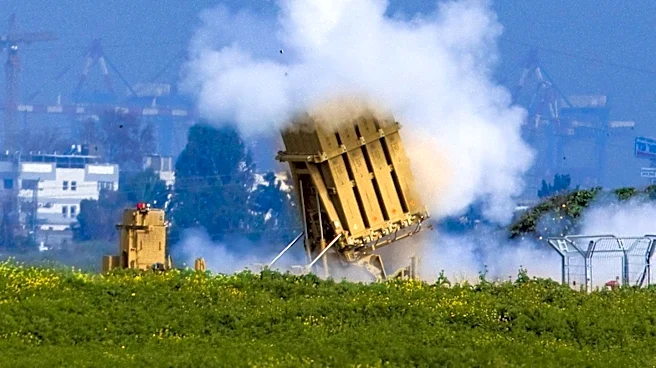
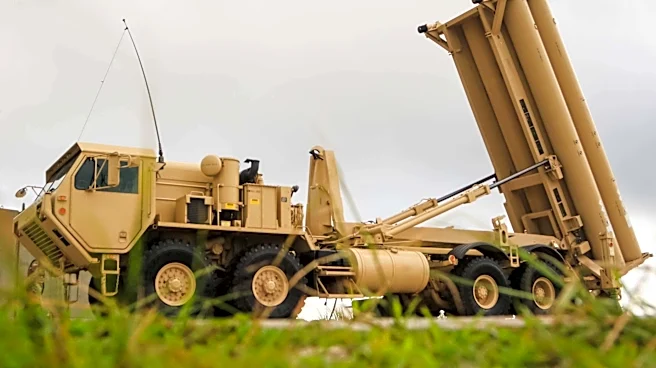
The advancement in Iranian missile technology represents a significant shift in the military balance in the region. By enhancing their ability to evade air defenses, Iran increases its strategic capabilities, potentially altering the dynamics of military engagements. This development could lead to heightened tensions with the U.S. and its allies, as it challenges existing defense systems and necessitates new countermeasures. The announcement underscores the ongoing military conflict between Iran and the U.S., highlighting the complexities of regional security and the potential for further escalation.
What's Next?
The international community will likely respond to Iran's missile advancements with increased diplomatic and military measures. The U.S. and its allies may seek to enhance their own defense systems to counter the new threat, potentially leading to an arms race in the region. Diplomatic efforts to de-escalate tensions may be pursued, but the technological advancements could complicate negotiations. The situation remains fluid, with potential for further developments as both sides assess their strategic positions.