



What's Happening?
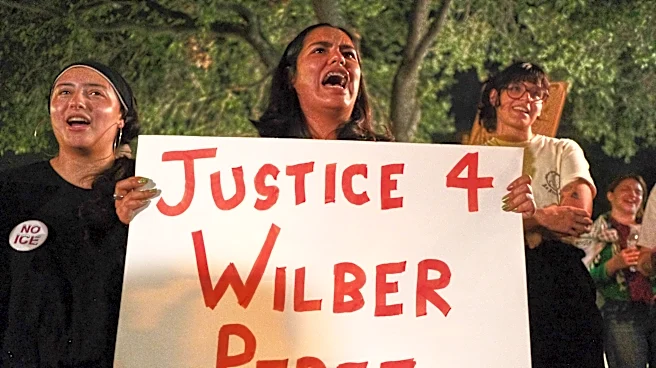
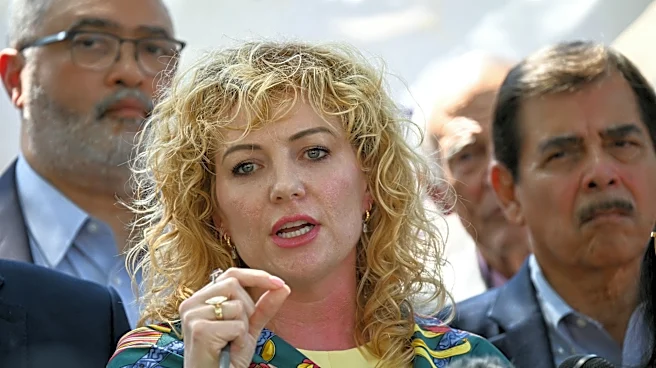
Donna Ganger, the mother of Renee Nicole Good, is demanding accountability from the Trump administration following her daughter's death during an ICE operation in Minneapolis. Renee Good, a 37-year-old U.S. citizen, was shot and killed by an ICE agent
on January 7 during 'Operation Metro Surge.' City leaders have confirmed that Good was not a target for arrest, though the administration claimed she attempted to weaponize her vehicle against agents. The shooting, captured on video, has ignited a national debate concerning the use of force by federal immigration agents. Ganger, a registered Republican and former supporter of President Trump, expressed her disillusionment at a public forum hosted by Congressional Democrats, stating she believed federal agents would protect U.S. citizens. She testified alongside her son, Brent, and other families affected by similar incidents, emphasizing the need to prevent future tragedies. Representative Robert Garcia, the top Democrat on the House Oversight Committee, has been involved in forums addressing deaths in U.S. Immigration and Customs Enforcement (ICE) encounters, highlighting over 1,000 documented abuses under President Trump’s administration.
Why It's Important?
This incident and the subsequent demand for accountability highlight critical issues regarding federal law enforcement conduct, particularly within U.S. Immigration and Customs Enforcement (ICE). The death of a U.S. citizen who was not a target of an operation raises serious questions about the protocols, training, and oversight of ICE agents. It fuels the ongoing national debate about the appropriate use of force by federal agencies and the extent of their authority, especially in urban environments. The fact that the victim's mother was a supporter of President Trump underscores the bipartisan nature of concerns about government overreach and accountability, transcending typical political divides. This event could lead to significant policy changes within ICE, including revised use-of-force guidelines, enhanced training, and increased transparency in operations. It also puts pressure on Congress to conduct thorough investigations and potentially enact legislation to reform immigration enforcement practices, impacting civil liberties and public trust in federal agencies. The incident serves as a stark reminder of the human cost of aggressive enforcement tactics and the urgent need for robust oversight.
What's Next?
Congressional Democrats, including Representative Robert Garcia, are calling for investigations and policy changes in response to Renee Good's death and other similar incidents. Some are even suggesting the impeachment of Homeland Security Secretary Kristi Noem. The public forum where Donna Ganger testified is part of a broader effort to bring attention to these issues and push for reform. It is likely that there will be continued pressure on the Trump administration and Congress to address the conduct of ICE agents and review existing immigration enforcement policies. This could involve further congressional hearings, internal reviews by the Department of Homeland Security, and potentially legal challenges. The outcome of these efforts could lead to new legislation aimed at increasing accountability for federal agents, establishing clearer guidelines for the use of force, and improving oversight mechanisms. The debate will continue to shape public opinion on immigration policy and the role of federal law enforcement in communities across the U.S.
Beyond the Headlines
The tragic death of Renee Good and her mother's plea for accountability extend beyond immediate policy debates, touching upon fundamental questions of justice, civil liberties, and the relationship between citizens and their government. It highlights the profound impact of federal actions on individual lives and communities, particularly when those actions result in unintended fatalities. The incident also underscores the complexities of immigration enforcement, where the lines between national security and individual rights can become blurred. Ethically, it forces a re-evaluation of the 'collateral damage' in law enforcement operations and the responsibility of the state to protect all its citizens, regardless of their involvement in targeted activities. Culturally, it contributes to a broader narrative about police brutality and accountability, resonating with other movements advocating for reform in law enforcement. This event could catalyze a deeper societal conversation about the balance between security and freedom, and the need for compassionate and transparent governance in all aspects of federal operations.