




What's Happening?
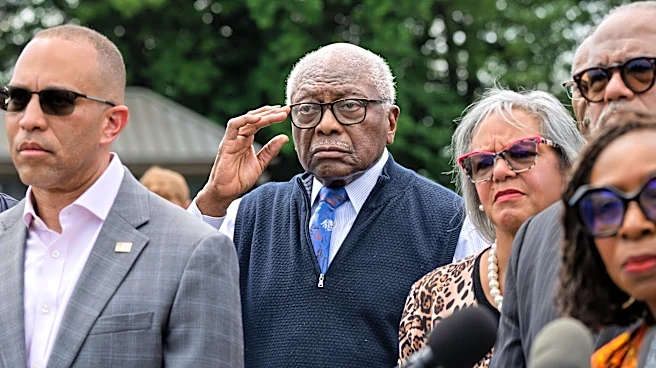
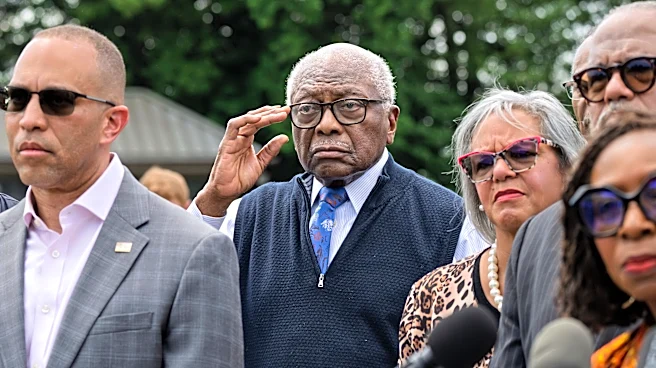
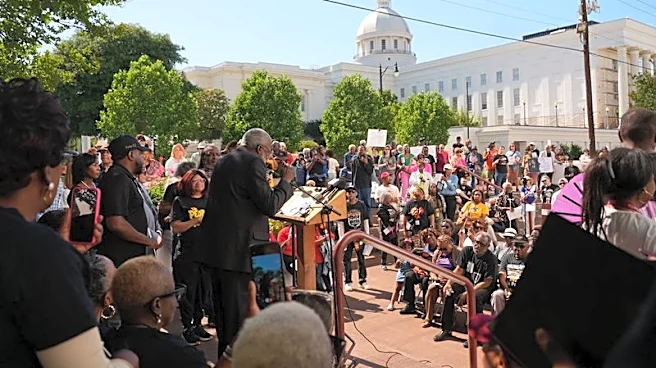
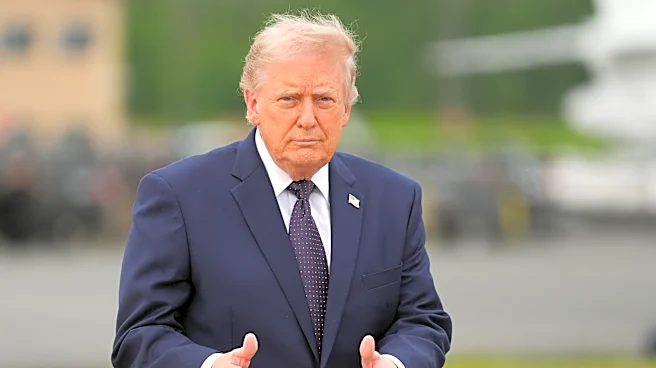
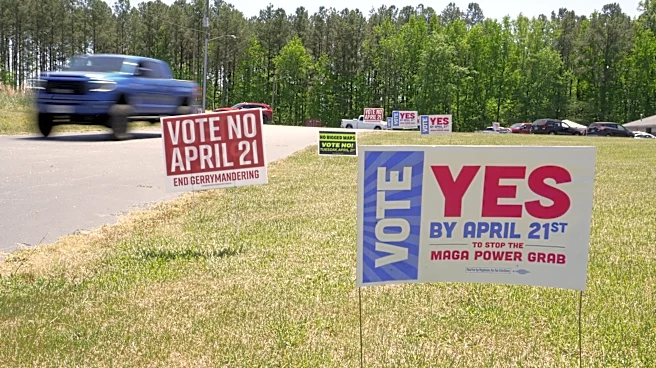
Republican lawmakers in South Carolina have voted against a proposal to redraw the state's congressional districts, a move that defies President Trump's push for redistricting ahead of the upcoming midterm elections. The state senate voted 26-18 against the plan,
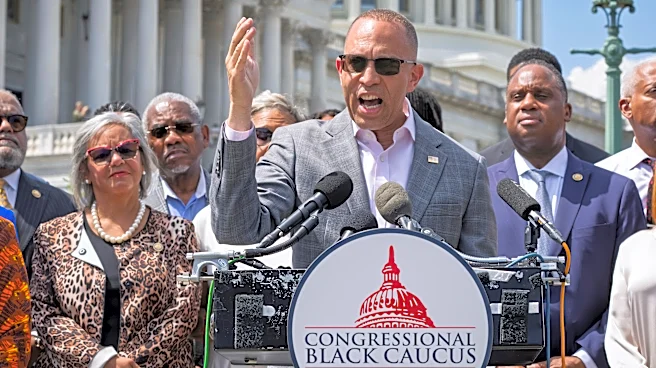
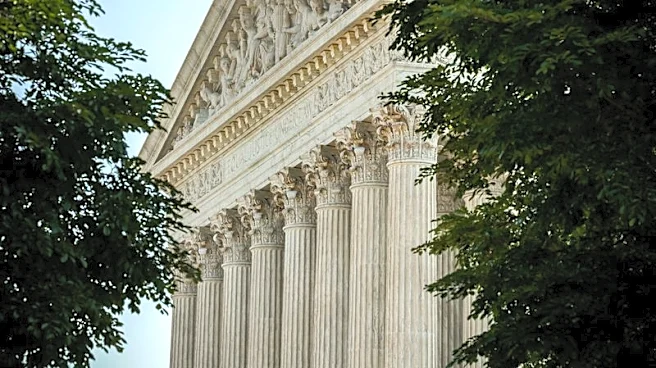
which aimed to alter the district of Democratic Congressman Jim Clyburn, potentially reducing the number of Democratic voters. The proposal was part of a broader Republican strategy to leverage a recent Supreme Court ruling that weakened minority protections under the Voting Rights Act. Despite pressure from Trump, including direct calls to state leaders, the proposal was rejected due to concerns over the rushed process and the ongoing election cycle. State Senator Tom Davis criticized the lack of local input and the brief consultation process, while others, like Senator Richard Cash, opposed halting an election already in progress.
Why It's Important?
The rejection of the redistricting plan is significant as it highlights internal divisions within the Republican Party and resistance to external political pressures, even from influential figures like President Trump. The decision preserves the current electoral map, maintaining the status quo for Democratic voters in Clyburn's district. This outcome may impact the Republican Party's efforts to secure a stronger majority in the U.S. House of Representatives. The move also underscores the importance of local governance and the reluctance of some state lawmakers to be swayed by national political agendas. The decision could influence future redistricting efforts and the balance of political power in South Carolina.
What's Next?
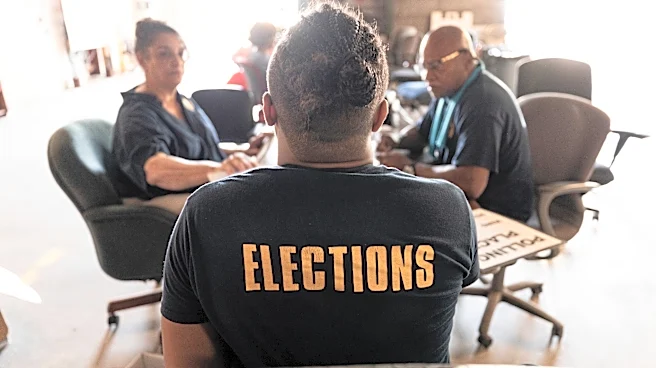
Following the rejection, the current electoral process will continue as planned, with early voting already underway. The decision may lead to political repercussions for those Republican senators who opposed the plan, as they face potential backlash from party members and Trump supporters. The outcome may also prompt further discussions on redistricting strategies and the role of national influence in state politics. As the midterm elections approach, both parties will likely reassess their strategies to maximize voter turnout and secure electoral victories.