








What's Happening?
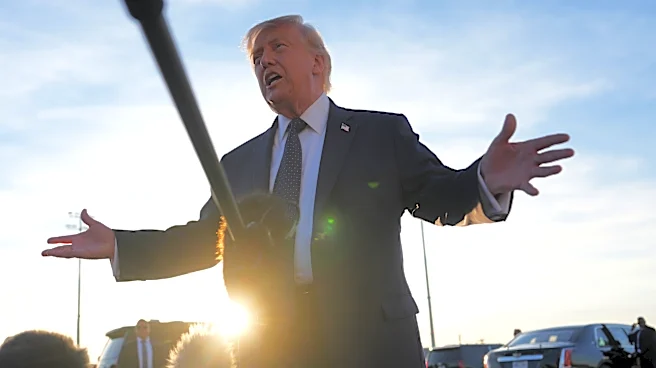
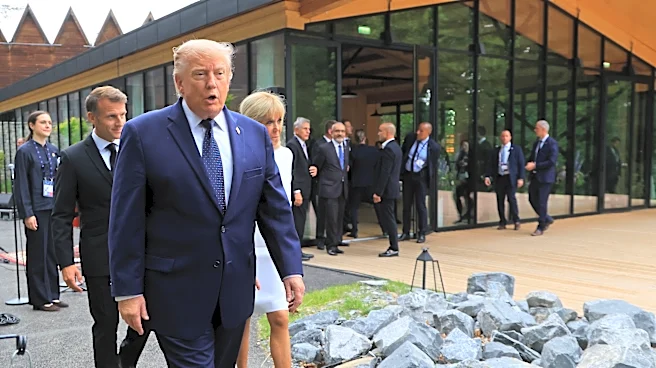
During the G7 summit, President Trump indicated a shift in U.S. foreign policy focus towards North Korea's nuclear program. This announcement follows a recent agreement between the U.S. and Iran, which may have freed up diplomatic resources to address
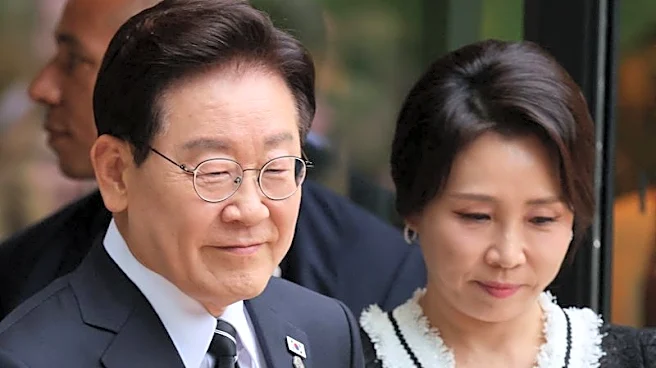
North Korea. South Korean President Lee Jae Myung reported that Trump emphasized the need to pay attention to North Korea, suggesting a potential increase in diplomatic efforts. The context includes North Korea's ongoing military cooperation with Russia and its historical nuclear tests, which have been a point of international tension. Despite previous meetings between Trump and North Korean leader Kim Jong-un, no significant progress on denuclearization has been achieved.
Why It's Important?
The renewed focus on North Korea's nuclear capabilities could have significant implications for international security and U.S. foreign policy. North Korea's nuclear ambitions have long been a concern for the U.S. and its allies, particularly South Korea and Japan. A shift in U.S. attention could lead to new diplomatic initiatives or sanctions aimed at curbing North Korea's nuclear development. This move might also affect U.S.-China relations, as China has historically been a key player in North Korean diplomacy. The outcome of these efforts could influence regional stability in East Asia and impact global non-proliferation efforts.
What's Next?
The next steps may involve increased diplomatic engagement with North Korea, potentially leading to new negotiations or summits. The U.S. might also seek to strengthen alliances with South Korea and Japan to present a united front. Additionally, the international community will be watching for any changes in North Korea's military activities or responses from China and Russia, which could affect the geopolitical landscape. The effectiveness of any new U.S. strategy will depend on its ability to balance pressure and diplomacy to achieve denuclearization.