





What's Happening?
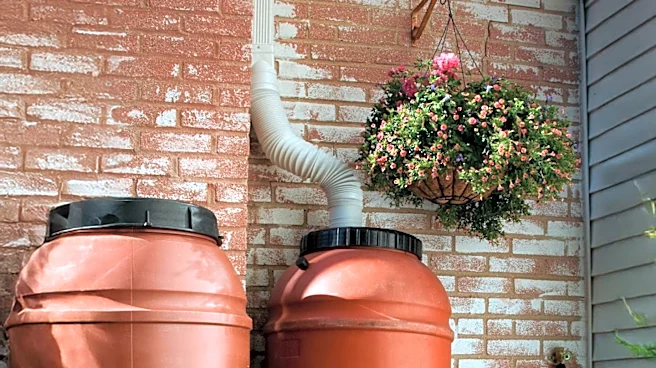
Rainwater harvesting is increasingly being adopted as a crucial method for collecting and storing rainwater, particularly in urban environments. This practice involves various techniques such as harvesting systems, wetlands, retention ponds, recharge
basins, and permeable pavements. These methods are designed to mitigate the risk of flooding, enhance groundwater recharge, and establish additional water sources. The integration of traditional drainage infrastructure with nature-based solutions is bolstering resilience against extreme rainfall events and periods of water scarcity. This approach is part of a broader global shift towards circular water systems, where water reuse is viewed as a vital component of supply rather than merely a waste management strategy. The World Bank highlights water reuse as a reliable and resilient source for water-stressed cities and industrial users, with successful implementations seen in places like Singapore, which combines water reuse with desalination and conservation efforts.
Why It's Important?
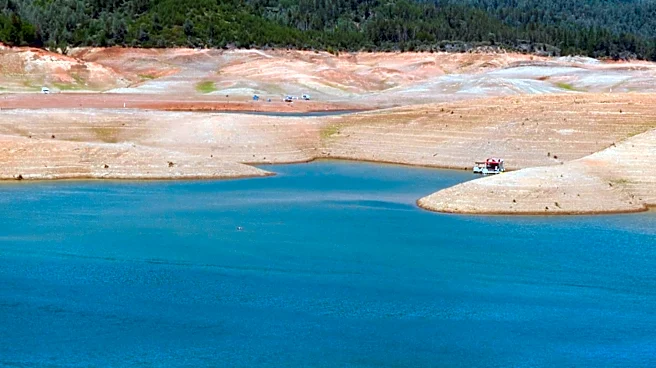
The growing emphasis on rainwater harvesting is critical for U.S. cities facing increasing water scarcity, rapid urbanization, and the impacts of climate change. By reducing reliance on traditional freshwater sources, these systems can alleviate pressure on dwindling groundwater supplies and overstressed reservoirs. This is particularly important during droughts, providing a more stable and localized water supply. Furthermore, the ability to use harvested rainwater for non-potable purposes, such as irrigation, industrial cooling, and landscaping, frees up potable water for essential uses. This shift not only enhances water security but also contributes to environmental sustainability by reducing stormwater runoff and improving groundwater levels. The economic implications are significant, as investments in such infrastructure can lead to long-term cost savings in water management and reduce the need for expensive new water treatment facilities.
What's Next?
The trend towards integrating rainwater harvesting into urban planning is expected to continue, with further advancements in technology and infrastructure. Cities are likely to explore more comprehensive circular water systems that combine rainwater collection with advanced wastewater recycling, desalination, and smart water networks. This will involve increased investment in innovative solutions like IoT sensors, AI-based analytics, and improved membrane technologies to optimize water usage and quality. Public-private partnerships are anticipated to play a larger role in funding and developing these large-scale water infrastructure projects. Additionally, there will be a continued focus on public education and policy development to overcome potential barriers such as high initial investment costs, energy demands, and public acceptance of reused water, especially for potable applications.
Beyond the Headlines
Beyond its immediate benefits, the widespread adoption of rainwater harvesting signifies a fundamental shift in how societies perceive and manage water resources. It challenges the traditional linear 'use-and-discharge' model, promoting a more holistic and sustainable approach. This paradigm shift has ethical implications, as it encourages responsible stewardship of natural resources and addresses environmental justice concerns by ensuring equitable access to water. Culturally, it fosters a greater appreciation for water as a finite and valuable resource, potentially leading to changes in consumer behavior and water consumption patterns. Legally, it may necessitate new regulations and incentives to encourage the implementation of harvesting systems in both new constructions and existing urban areas, ultimately contributing to a more resilient and water-secure future for the U.S.