







What's Happening?
The Federal Communications Commission (FCC) has announced its tentative agenda for the April Open Meeting, scheduled for April 30, 2026. Key items include modernizing spectrum sharing for satellite broadband, enhancing 'Know-Your-Customer' requirements
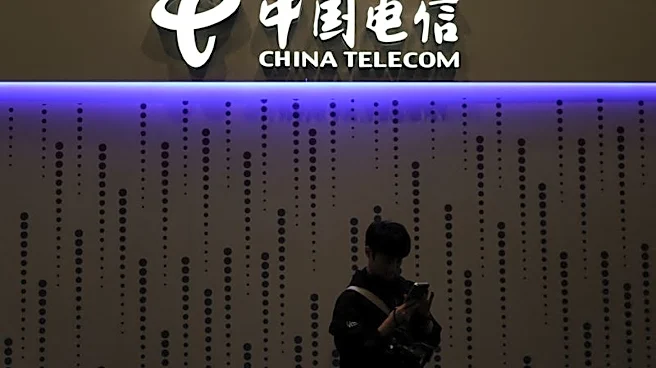
to combat robocalls, and ensuring integrity and security in electronic device testing. The FCC will also consider measures to protect against national security threats in domestic telecommunications services by excluding certain entities from providing services under section 214 of the Communications Act. Additionally, the FCC plans to establish a new E-Rate competitive bidding portal to streamline program procedures and amend the Audible Crawl Rule to better serve visually impaired individuals.
Why It's Important?
The FCC's agenda reflects its ongoing efforts to address critical issues in telecommunications and national security. Modernizing spectrum sharing is essential to accommodate the growing demand for satellite broadband services, which can enhance connectivity for American consumers. Strengthening 'Know-Your-Customer' requirements aims to reduce illegal robocalls, a persistent issue affecting millions of Americans. The focus on national security highlights the need to safeguard telecommunications networks from potential threats, ensuring the integrity and reliability of essential services. The establishment of an E-Rate competitive bidding portal is expected to improve the efficiency of the program, benefiting schools and libraries across the country.
What's Next?
The FCC will seek public comments on the proposed measures, allowing stakeholders to provide input on the potential impact and implementation of the new rules. The Commission's decisions could lead to significant changes in how telecommunications services are regulated and delivered in the U.S. Companies involved in satellite broadband, telecommunications, and electronic device testing will need to monitor developments closely and prepare for potential regulatory adjustments. The FCC's actions may also influence future policy discussions on national security and consumer protection in the telecommunications sector.