





What's Happening?
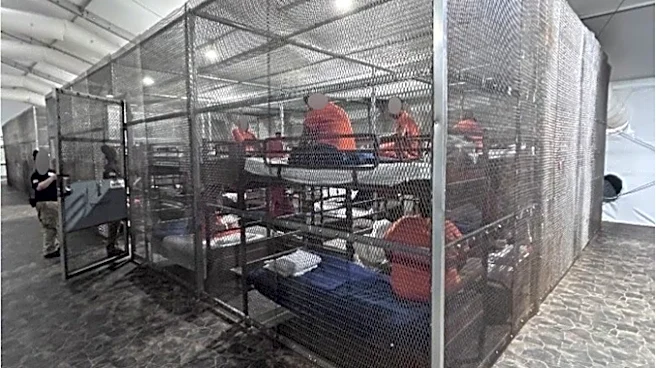
The San Jose City Council has unanimously approved a 45-day moratorium on any new proposals to create or expand private detention facilities within the city limits. This decision comes amidst concerns that the federal government might establish new immigration
centers in the region. In addition to the temporary halt, councilmembers have directed city staff to develop regulatory measures for such projects. The initial 45-day pause can be extended by city leaders for up to two years, indicating a sustained effort to control the development of these facilities. This action reflects a proactive stance by the city to manage potential federal immigration-related infrastructure within its jurisdiction.
Why It's Important?
This moratorium is significant for San Jose as it directly addresses local control over land use and development, particularly concerning facilities that could be used for immigration detention. By pausing new developments and tasking staff with creating regulatory measures, the City Council is asserting its authority to shape the city's landscape and respond to community concerns about federal immigration policies. This move could set a precedent for other municipalities facing similar pressures regarding the establishment of detention centers. It also highlights the ongoing tension between local governance and federal immigration enforcement, with cities often seeking to mitigate the local impact of national policies. The decision could influence future discussions on how cities can manage and regulate facilities that might house individuals awaiting immigration proceedings.
What's Next?
Following the initial 45-day moratorium, the San Jose City Council has the option to extend the development pause for up to two years. During this period, city staff will be working to draft and propose specific regulatory measures for private detention facilities. These measures could include zoning restrictions, operational requirements, or other stipulations designed to control the establishment and expansion of such centers. The outcome of these regulatory efforts will determine the long-term landscape for private detention facilities in San Jose and could influence how other cities approach similar issues. Stakeholders, including federal agencies, private detention companies, and community advocacy groups, will likely monitor these developments closely.
Beyond the Headlines
The San Jose City Council's decision to impose a moratorium on private detention facilities delves into deeper ethical and social implications beyond land use. It reflects a broader societal debate about the role of private entities in the detention of individuals, particularly in the context of immigration. Concerns often arise regarding the conditions within privately run facilities, accountability, and human rights. By taking this action, San Jose is not only addressing potential physical infrastructure but also signaling its stance on the ethical considerations surrounding detention. This move could empower local communities to advocate for more humane and transparent practices in immigration enforcement, potentially influencing national conversations about the privatization of correctional and detention services.