




What's Happening?
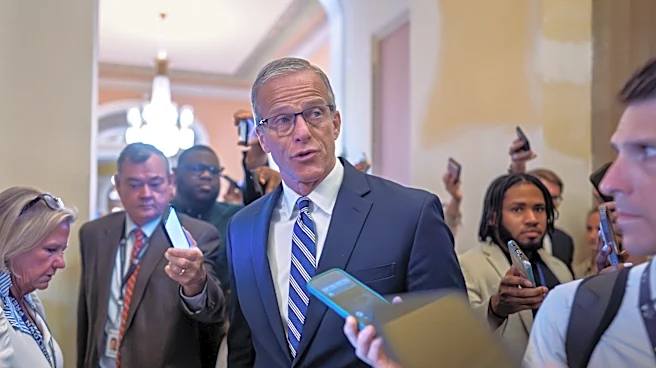
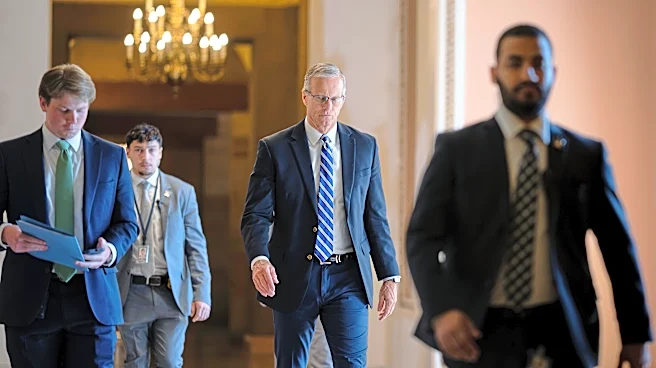
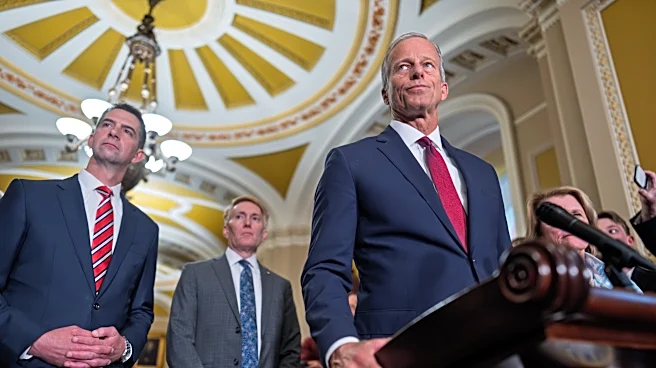
A growing number of Republican senators are distancing themselves from President Trump as the 2026 midterm elections approach. This shift is driven by a combination of electoral pressures and policy disagreements. Key figures include Senators Lisa Murkowski,
Susan Collins, and Thom Tillis, who have consistently opposed Trump on issues such as war powers and administration nominees. Murkowski, for instance, has a long-standing record of opposition, having voted to convict Trump after January 6 and breaking with him on executive authority. Collins, facing a competitive reelection in Maine, has also opposed Trump on several high-profile issues. Tillis, who is retiring, has become more vocal against the administration, particularly criticizing the Justice Department's anti-weaponization fund. Other senators like Mitch McConnell and John Cornyn, though less frequent in their opposition, have also shown willingness to challenge Trump, especially on foreign policy and institutional matters.
Why It's Important?
The increasing dissent among Republican senators highlights a significant shift in the party's dynamics as it grapples with the implications of aligning with President Trump. This rebellion could impact the GOP's ability to maintain its Senate majority, as advancing Trump's priorities may conflict with broader electoral strategies. Senators like Murkowski and Collins, who have shown independence from Trump, could influence legislative outcomes, especially if Democrats gain more seats. The dissent also reflects broader concerns within the party about Trump's influence on policy and electoral prospects, potentially leading to a reevaluation of the party's direction and strategy.
What's Next?
As the 2026 midterm elections draw closer, the actions of these senators could shape the legislative agenda and the GOP's electoral strategy. The upcoming confirmation hearings, such as that of Todd Blanche for attorney general, may serve as platforms for further opposition. The political landscape could see more Republicans distancing themselves from Trump, especially those facing tough reelections or retiring. This could lead to increased bipartisan efforts on certain issues, as well as potential shifts in party leadership and strategy post-elections.