







What's Happening?
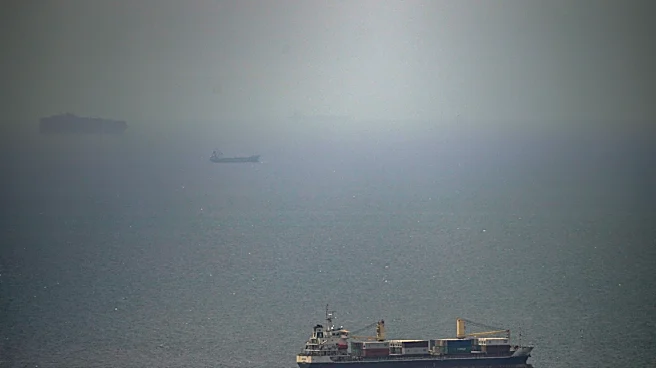
Humanitarian organizations are calling for the establishment of a 'humanitarian corridor' through the Strait of Hormuz due to significant disruptions in the delivery of essential supplies. The ongoing conflict involving the U.S. and Iran has led to fluctuating
oil prices, peaking at nearly $120 a barrel, and has severely impacted global shipping routes. This has resulted in vital medicines and supplies being stuck in key hubs, such as Dubai, affecting aid delivery to countries like Sudan, Nigeria, and Ethiopia. The International Rescue Committee (IRC) and other aid agencies are facing increased operational costs due to rising fuel prices, which are straining their budgets. The World Food Programme (WFP) estimates that 45 million more people could face hunger due to these disruptions, adding to the 318 million already food insecure before the conflict began.
Why It's Important?
The disruption in the Strait of Hormuz has far-reaching implications for global humanitarian efforts. The increased cost of oil and shipping is straining the budgets of aid organizations, which are already dealing with reduced funding from major donors like the U.S. and European countries. This situation threatens to exacerbate food insecurity and health crises in vulnerable regions, particularly in Africa and the Middle East. The inability to deliver essential supplies could lead to increased mortality rates and further destabilize regions already affected by conflict and poverty. The economic impact is also significant, as rising transportation costs are driving up the prices of basic goods, affecting both local economies and international aid operations.
What's Next?
If the current situation persists, aid organizations may need to find alternative routes for delivering supplies, which could further increase costs and delays. The call for a humanitarian corridor through the Strait of Hormuz is a critical step that could alleviate some of the logistical challenges. However, achieving this requires diplomatic negotiations and cooperation from involved parties. The ongoing conflict and its impact on global oil prices will likely continue to affect humanitarian operations, necessitating strategic adjustments and increased funding to meet the growing needs of affected populations.
Beyond the Headlines
The crisis highlights the vulnerability of global supply chains to geopolitical conflicts and the critical need for resilient logistics strategies in humanitarian operations. The reliance on key shipping routes like the Strait of Hormuz underscores the importance of diversifying supply chains to mitigate risks. Additionally, the situation raises ethical questions about the responsibility of wealthier nations to support global humanitarian efforts, especially when their foreign policies contribute to such crises. Long-term solutions may involve investing in local production capacities in affected regions to reduce dependency on international supply chains.